
Maximizing Tire Longevity: How the Right Choice Can Save You Money and Enhance Safety
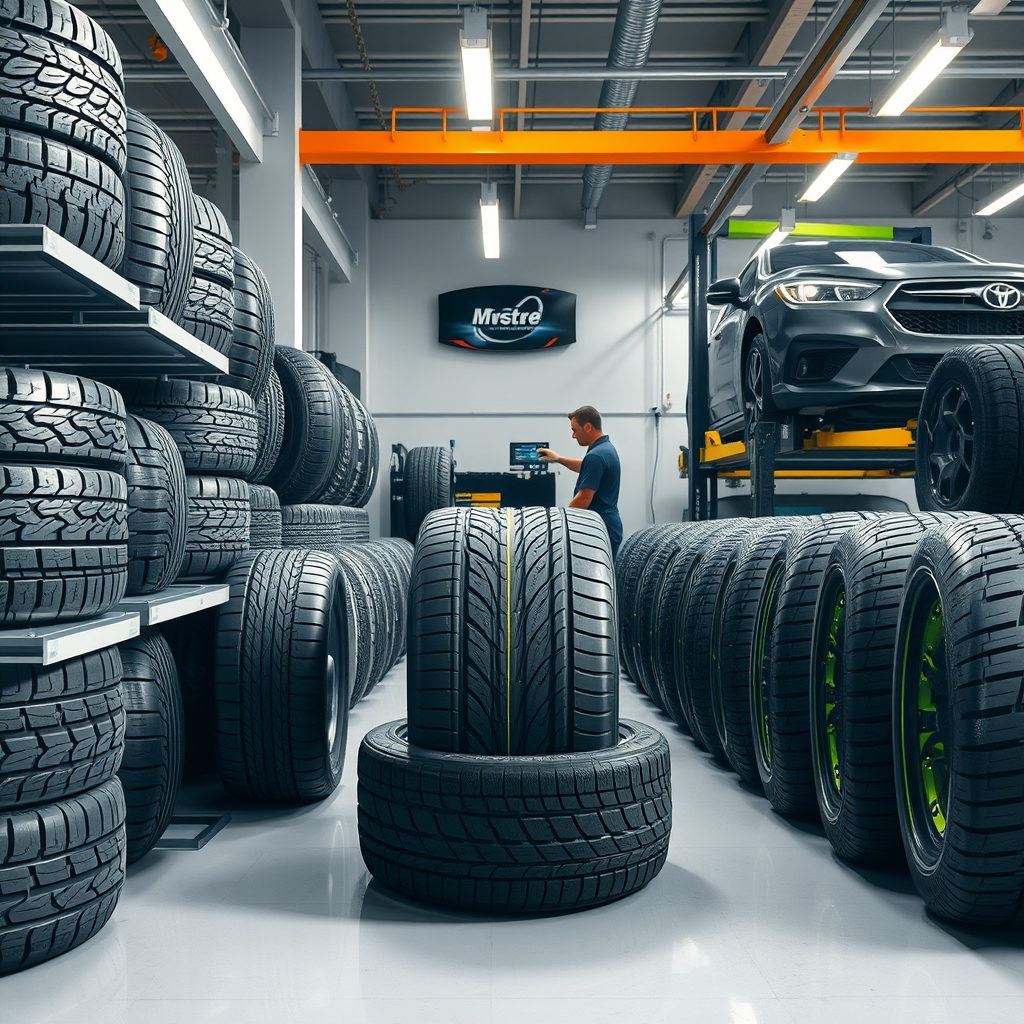
Tires are one of the most critical components of your vehicle, yet they are often overlooked until a problem arises. The right set of tires can significantly impact your driving experience, safety, and even your wallet. With so many options available—from all-season radial tires to ultra-high-performance variants—understanding the nuances of each type can help you make an informed decision that aligns with your driving needs and budget. This guide explores how selecting the right tires can extend their lifespan, improve fuel efficiency, and keep you safe on the road.
The Science Behind Tire Longevity
Tire longevity is influenced by a combination of factors, including the type of tire, driving habits, road conditions, and maintenance practices. For instance, all-season radial tires are designed to provide a balance of performance and durability across various weather conditions, making them a popular choice for everyday drivers. However, their lifespan can vary depending on how they are used. Tires driven primarily on smooth highways may last longer than those frequently exposed to rough terrain or extreme temperatures.
Manufacturers often provide a treadwear rating, which gives consumers an idea of how long a tire is expected to last compared to a standard reference tire. A higher treadwear rating typically indicates a longer lifespan, but this is not the only factor to consider. The rubber compound used in the tire also plays a crucial role. Softer compounds, often found in performance tires, offer better grip but wear out faster, while harder compounds last longer but may compromise on traction.
How Tire Type Affects Wear and Tear
Different tire types are engineered for specific purposes, and their construction directly impacts their longevity. For example, winter tires are made with a softer rubber compound to maintain flexibility in cold temperatures, but this also means they wear out faster if used in warmer conditions. Conversely, summer tires are optimized for warm weather and provide excellent grip on dry and wet roads, but they are not suitable for winter driving.
Off-road tires, such as mud-terrain or all-terrain tires, are built to withstand harsh conditions, including rocks, mud, and uneven surfaces. Their aggressive tread patterns and reinforced sidewalls make them durable, but they may wear out faster on paved roads due to increased rolling resistance. On the other hand, highway terrain tires are designed for long-distance driving on smooth surfaces, offering a quieter ride and better fuel efficiency, which can contribute to their extended lifespan.
Maintenance Practices for Extending Tire Life
Even the best tires will wear out prematurely without proper care. Regular maintenance is key to maximizing their lifespan and ensuring optimal performance. One of the simplest yet most effective practices is maintaining the correct tire pressure. Underinflated or overinflated tires can lead to uneven wear, reduced fuel efficiency, and even blowouts. Many modern vehicles come equipped with a tire pressure sensor, which alerts drivers when pressure levels are too low or too high. Checking your tire pressure at least once a month and before long trips can prevent unnecessary wear and tear.
Rotating your tires every 5,000 to 8,000 miles is another essential maintenance task. Tires wear differently depending on their position on the vehicle. For example, front tires typically wear faster than rear tires due to the added stress of steering and braking. Regular rotation ensures even wear across all tires, extending their overall lifespan. Additionally, wheel alignment and balancing should be checked periodically to prevent uneven wear caused by misaligned wheels or imbalanced tires.
The Role of Driving Habits
Your driving habits have a significant impact on tire longevity. Aggressive driving, such as rapid acceleration, hard braking, and sharp turns, can cause excessive wear on the tread. Similarly, driving at high speeds generates more heat, which can accelerate tire degradation. Smooth and steady driving not only improves fuel efficiency but also helps preserve your tires for longer.
Road conditions also play a role. Frequent driving on rough or unpaved roads can lead to cuts, punctures, or sidewall damage, particularly in tires not designed for off-road use. If you regularly drive on such surfaces, consider investing in all-terrain or mud-terrain tires, which are built to handle these challenges. For city drivers, avoiding potholes and curbs can prevent damage to the tire sidewalls and rims, further extending their lifespan.
Eco-Friendly and Cost-Effective Tire Choices
As environmental concerns grow, many drivers are turning to eco-friendly tires designed to reduce rolling resistance and improve fuel efficiency. These tires are often made from sustainable materials and are engineered to minimize energy loss, which can lower your vehicle’s carbon footprint and save you money on fuel. While eco-friendly tires may come with a higher upfront cost, their long-term benefits often outweigh the initial investment.
Another cost-effective option is all-weather tires, which combine the benefits of all-season and winter tires. These tires are designed to perform well in a variety of conditions, including light snow, making them a versatile choice for drivers in regions with mild winters. By eliminating the need to switch between summer and winter tires, all-weather tires can save you time and money while ensuring year-round safety.
Specialized Tires for Unique Needs
For drivers with specific needs, specialized tires can offer tailored solutions. Electric vehicle (EV) tires, for example, are designed to handle the unique demands of EVs, such as heavier weight and instant torque. These tires often feature reinforced sidewalls and low rolling resistance to maximize range and efficiency. Similarly, run-flat tires allow you to continue driving for a short distance even after a puncture, providing added safety and convenience, though they may wear out faster than conventional tires.
Low-profile tires, often found on sports cars, offer improved handling and a sleek appearance but may sacrifice comfort and durability. Their shorter sidewalls make them more susceptible to damage from potholes and rough roads. If you opt for low-profile tires, it’s essential to drive cautiously and avoid rough terrain to prolong their lifespan.
Choosing the right tires for your vehicle is not just about performance or aesthetics; it’s about making a decision that aligns with your driving habits, environment, and budget. The right set of tires can enhance your safety, improve fuel efficiency, and save you money in the long run by reducing the frequency of replacements. Whether you prioritize durability, eco-friendliness, or specialized performance, understanding the strengths and limitations of each tire type empowers you to make a choice that keeps you rolling smoothly for miles to come. The road ahead is full of possibilities, and the right tires ensure you’re prepared for every turn.