
Choosing the Right Tires for Your Vehicle: A Comprehensive Guide to Performance, Safety, and Efficiency
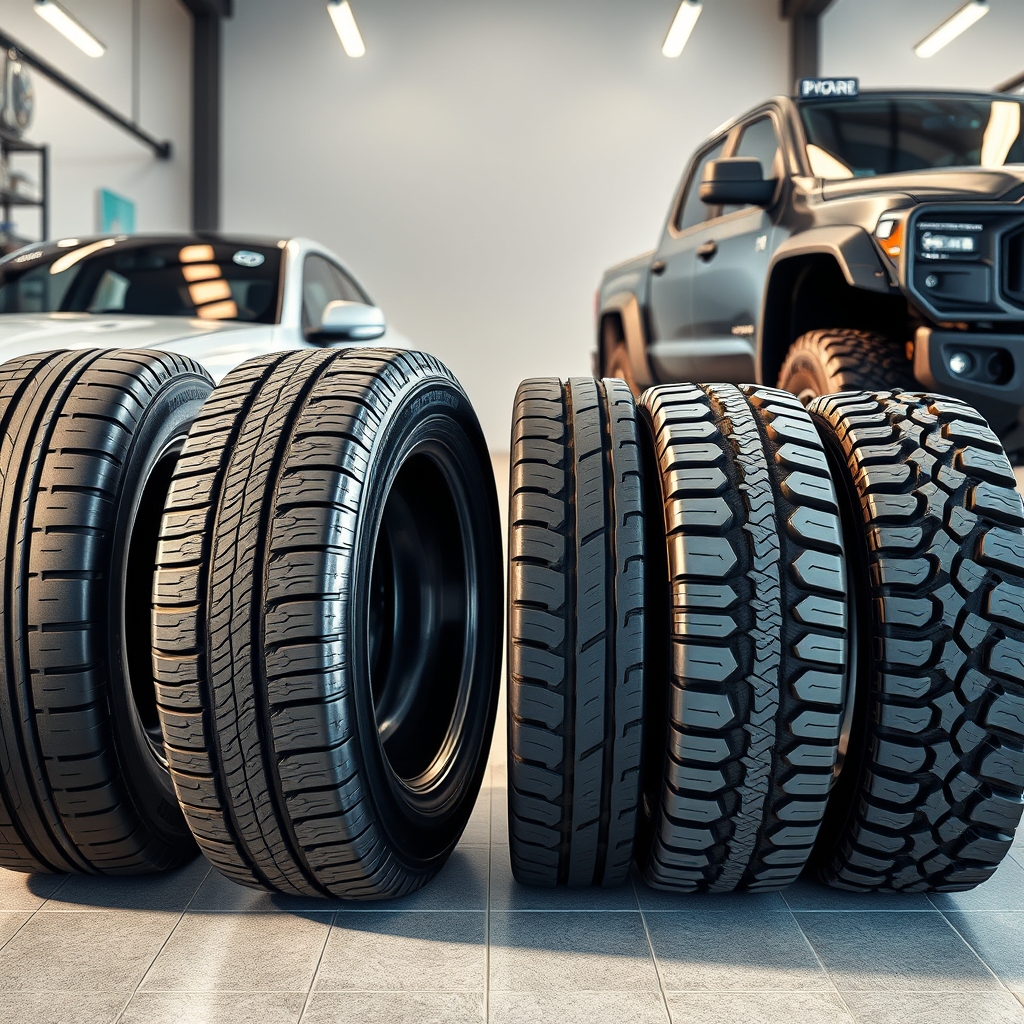
Tires are one of the most critical components of your vehicle, directly impacting safety, performance, and fuel efficiency. With so many options available—from all-season tires to mud-terrain tires—selecting the right set can feel overwhelming. Understanding the differences between tire types and their intended uses will help you make an informed decision that enhances your driving experience.
The Basics: Understanding Tire Categories
Tires are broadly categorized based on their design, construction, and intended use. The most common classifications include:
- Passenger Car Tires: Designed for everyday vehicles, these tires prioritize comfort, fuel efficiency, and longevity. They are ideal for sedans, hatchbacks, and minivans.
- Truck Tires: Built to handle heavier loads and rougher conditions, truck tires are more durable and often feature reinforced sidewalls for added strength.
- Performance Tires: Engineered for sports cars and high-speed driving, these tires offer superior grip and handling but may wear out faster than standard options.
- Off-Road Tires: Including all-terrain tires and mud-terrain tires, these are designed for rugged landscapes, providing traction on dirt, rocks, and uneven surfaces.
Seasonal Tires: Adapting to Weather Conditions
Seasonal tires are optimized for specific weather conditions, ensuring optimal performance and safety year-round.
Winter Tires
Winter tires are essential for drivers in cold climates. Their unique rubber compound remains flexible in freezing temperatures, providing better grip on snow and ice. The deep tread patterns help channel slush and water away from the contact patch, reducing the risk of hydroplaning. If you live in an area with harsh winters, investing in a set of winter tires can significantly improve your vehicle’s handling and braking performance.
Summer Tires
Designed for warm weather, summer tires offer excellent traction on dry and wet roads. Their softer rubber compound enhances grip, making them ideal for high-performance driving. However, they are not suitable for cold temperatures, as the rubber hardens, reducing traction. If you live in a region with mild winters, summer tires can be a great choice for maximizing performance during the warmer months.
All-Season and All-Weather Tires
All-season tires are a popular choice for drivers who want a balance of performance and convenience. They provide decent traction in a variety of conditions, including light snow, making them suitable for regions with moderate climates. However, they are not as effective as winter tires in extreme cold or as grippy as summer tires in high-performance scenarios.
All-weather tires take the concept of all-season tires a step further by offering better performance in winter conditions. They are marked with the Three-Peak Mountain Snowflake (3PMSF) symbol, indicating they meet specific snow traction requirements. These tires are a great option for drivers who experience occasional snow but don’t want to switch between seasonal sets.
Specialized Tires for Unique Needs
Beyond seasonal and performance categories, several specialized tires cater to specific driving needs and vehicle types.
Run-Flat Tires
Run-flat tires are designed to keep you moving even after a puncture. Their reinforced sidewalls allow you to drive for a limited distance at reduced speeds, giving you time to reach a repair shop. While convenient, run-flat tires often provide a stiffer ride and may be more expensive to replace.
Low-Profile Tires
Popular among sports car enthusiasts, low-profile tires feature a shorter sidewall and a wider tread. This design improves handling and cornering stability but can result in a harsher ride due to reduced cushioning. They are best suited for performance-oriented vehicles driven on smooth roads.
Electric Vehicle Tires
With the rise of electric vehicles (EVs), manufacturers have developed electric vehicle tires to address the unique demands of these cars. EVs are heavier due to their batteries, so their tires need to be more durable and resistant to wear. Additionally, EV tires are designed to reduce rolling resistance, improving energy efficiency and extending the vehicle’s range.
Eco-Friendly Tires
As sustainability becomes a priority, eco-friendly tires are gaining popularity. These tires are made from renewable or recycled materials and are designed to reduce rolling resistance, which improves fuel efficiency and lowers carbon emissions. Some eco-friendly tires also feature innovative tread compounds that extend their lifespan, reducing waste.
Tire Technology and Safety Features
Modern tires incorporate advanced technologies to enhance safety and performance. One such innovation is the tire pressure sensor, which monitors air pressure in real-time and alerts the driver if levels drop below the recommended threshold. Maintaining proper tire pressure is crucial for safety, fuel efficiency, and tire longevity.
Another important feature is the construction of the tire itself. Radial tires, for example, are the most common type today. They feature layers of fabric cords running perpendicular to the direction of travel, providing a smoother ride and better fuel efficiency compared to older bias-ply tires. Tubeless car tires are another advancement, eliminating the need for an inner tube and reducing the risk of sudden deflation.
Highway Terrain vs. Off-Road Tires
For drivers who frequently switch between city driving and off-road adventures, choosing between highway terrain tires and off-road tires can be challenging. Highway terrain tires are designed for paved roads, offering a quiet, comfortable ride and long tread life. In contrast, off-road tires, such as mud-terrain tires, feature aggressive tread patterns for maximum traction on loose surfaces. If you need a balance, all-terrain tires provide a compromise, offering decent performance on both paved and unpaved roads.
Selecting the right tires for your vehicle is not just about performance—it’s about safety, efficiency, and peace of mind. Whether you prioritize all-weather versatility, high-speed handling, or off-road capability, understanding the strengths and limitations of each tire type will help you make a choice that aligns with your driving needs. The next time you’re in the market for new tires, consider how and where you drive, and let that guide your decision. After all, the right set of tires can transform your driving experience, making every journey smoother, safer, and more enjoyable.