
Choosing the Right Tires for Your Vehicle: A Comprehensive Guide to Performance, Safety, and Efficiency
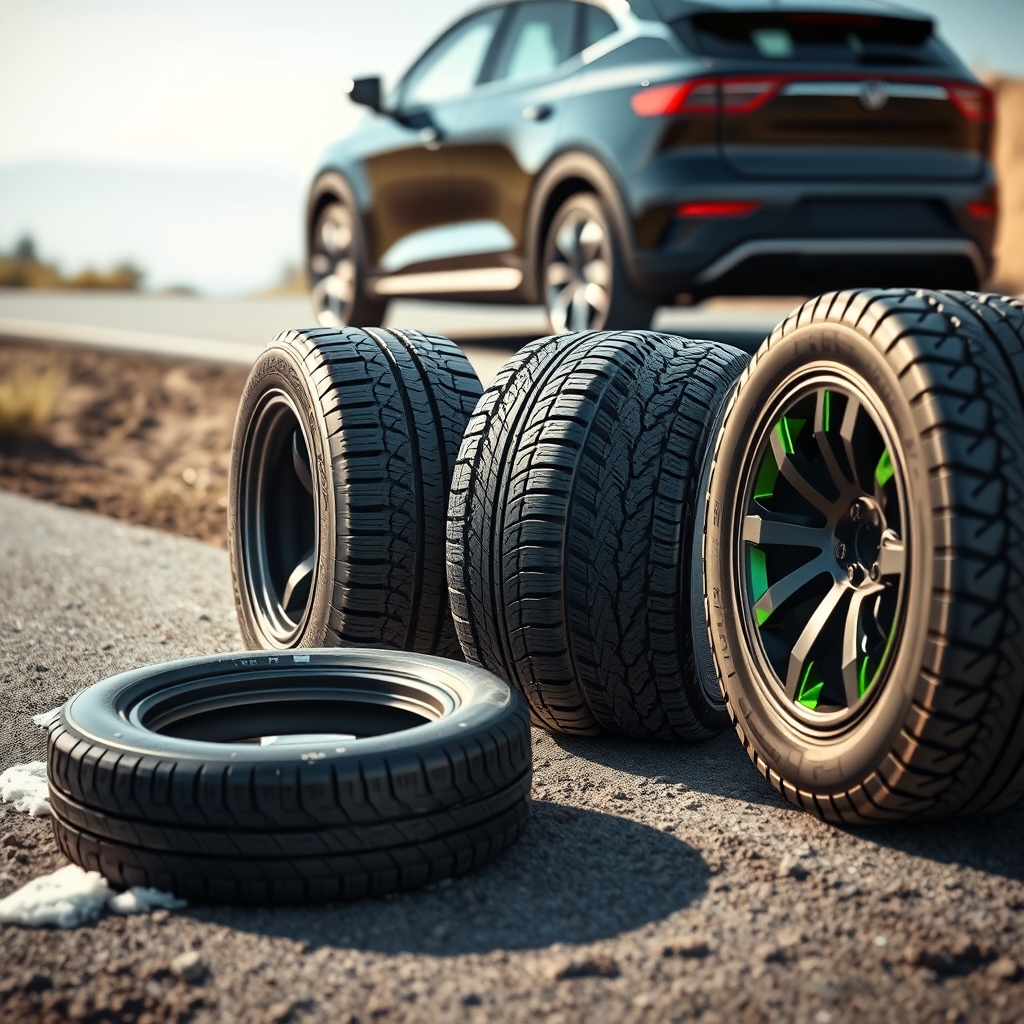
Selecting the right tires for your vehicle is one of the most critical decisions you can make as a driver. Tires are the only point of contact between your car and the road, influencing everything from handling and braking to fuel efficiency and ride comfort. With so many options available—from all-season tires to mud-terrain tires—understanding the differences can help you make an informed choice that aligns with your driving needs, climate, and vehicle type.
The Basics: Understanding Tire Categories
Tires are broadly categorized based on their design, intended use, and the conditions they perform best in. Here’s a breakdown of the most common types:
All-Season Tires
All-season tires are the jack-of-all-trades in the tire world. Designed to provide a balanced performance in wet, dry, and light winter conditions, they are a popular choice for drivers in regions with mild climates. These tires typically feature moderate tread depths and rubber compounds that remain flexible in a range of temperatures. While they may not excel in extreme conditions, their versatility makes them a practical option for everyday driving. Many passenger car tires and all-season radial tires fall into this category, offering a comfortable ride and long tread life.
Winter Tires
When temperatures drop below 45°F (7°C), winter tires become essential for safety. Unlike all-season tires, winter tires are made from a softer rubber compound that stays pliable in freezing conditions, providing better grip on snow and ice. Their tread patterns are designed with deeper grooves and biting edges to channel slush and improve traction. For drivers in regions with harsh winters, switching to winter tires can significantly reduce stopping distances and improve control. It’s important to note that winter tires are not just for snow—they outperform other tires in cold, dry conditions as well.
Summer and Performance Tires
If you prioritize speed, handling, and responsiveness, summer tires and performance tires are designed for you. These tires feature a softer rubber compound and shallower tread patterns to maximize grip on dry and wet roads. They excel in warm weather but lose effectiveness in cold temperatures, making them unsuitable for winter driving. Ultra-high-performance tires take this a step further, offering enhanced cornering and braking capabilities for sports cars and high-performance vehicles. However, their softer compounds often result in shorter tread life compared to all-season options.
Off-Road and All-Terrain Tires
For adventurers and off-road enthusiasts, off-road tires and all-terrain tires are built to tackle rough terrain. Mud-terrain tires feature aggressive tread patterns with large voids to eject mud and debris, providing maximum traction in challenging conditions. Meanwhile, all-terrain tires strike a balance between on-road comfort and off-road capability, making them a popular choice for trucks and SUVs. These tires often have reinforced sidewalls to resist punctures and damage from rocks or rough surfaces. For those who spend most of their time on paved roads but occasionally venture off the beaten path, highway-terrain tires offer a smoother, quieter ride while still providing decent off-road performance.
Specialized Tires for Unique Needs
Beyond the standard categories, several specialized tires cater to specific driving conditions and vehicle types:
Run-Flat Tires
Run-flat tires are designed to keep you moving even after a puncture. These tires feature reinforced sidewalls that support the vehicle’s weight, allowing you to drive for a limited distance (typically 50 miles) at reduced speeds. This feature enhances safety by eliminating the need to change a tire on the side of the road, though it’s important to note that run-flat tires often provide a stiffer ride and may be more expensive to replace.
Low-Profile Tires
Low-profile tires are characterized by their shorter sidewalls and wider treads, which improve handling and cornering stability. These tires are commonly found on sports cars and luxury vehicles, where aesthetics and performance are prioritized. However, their reduced sidewall height can result in a harsher ride and increased susceptibility to damage from potholes or rough roads.
Electric Vehicle Tires
With the rise of electric vehicles (EVs), electric vehicle tires have emerged as a specialized category. These tires are designed to handle the unique demands of EVs, such as heavier weight due to batteries and instant torque delivery. They often feature low rolling resistance to maximize range, reinforced structures to support additional weight, and noise-reducing tread patterns to complement the quiet nature of electric motors.
Eco-Friendly Tires
As sustainability becomes a priority for many drivers, eco-friendly tires are gaining popularity. These tires are made from sustainable materials, such as natural rubber, silica, or recycled compounds, and are designed to reduce rolling resistance, which improves fuel efficiency and lowers carbon emissions. Some manufacturers even offer tires made from dandelion rubber or other innovative, renewable resources.
Tire Technology and Maintenance
Modern tire technology has introduced several features to enhance safety, performance, and convenience. One such innovation is the tire pressure sensor, which monitors air pressure in real-time and alerts the driver if levels drop below the recommended threshold. Proper tire pressure is crucial for optimal performance, fuel efficiency, and tread life, so this technology can help prevent uneven wear and potential blowouts.
Another advancement is the widespread adoption of tubeless car tires. Unlike traditional tires with inner tubes, tubeless tires rely on an airtight seal between the tire and the wheel rim. This design reduces the risk of sudden deflation, improves heat dissipation, and allows for better puncture resistance. Tubeless tires are now the standard for most passenger vehicles and offer a safer, more reliable driving experience.
Maintaining Your Tires for Longevity
Regardless of the type of tires you choose, proper maintenance is key to ensuring their longevity and performance. Regularly check your tire pressure, rotate your tires every 5,000 to 7,000 miles, and align your wheels to prevent uneven wear. Additionally, inspect your tires for signs of damage, such as cracks, bulges, or embedded objects, and replace them when the tread depth falls below 2/32 of an inch. Investing in a quality tire gauge and keeping an eye on your tread wear can save you money in the long run and keep you safe on the road.
Choosing the right tires is about more than just matching the size to your vehicle. It’s about understanding your driving habits, the conditions you encounter, and the performance you expect. Whether you opt for the versatility of all-weather tires, the ruggedness of off-road tires, or the precision of ultra-high-performance tires, the right set can transform your driving experience. With advancements in tire technology and a growing focus on sustainability, there’s never been a better time to explore the options and find the perfect fit for your vehicle. The road ahead is full of possibilities, and the right tires will help you navigate it with confidence and peace of mind.