Mastering Vehicle Dynamics: The Critical Role of Control Arms in Modern Suspension Systems
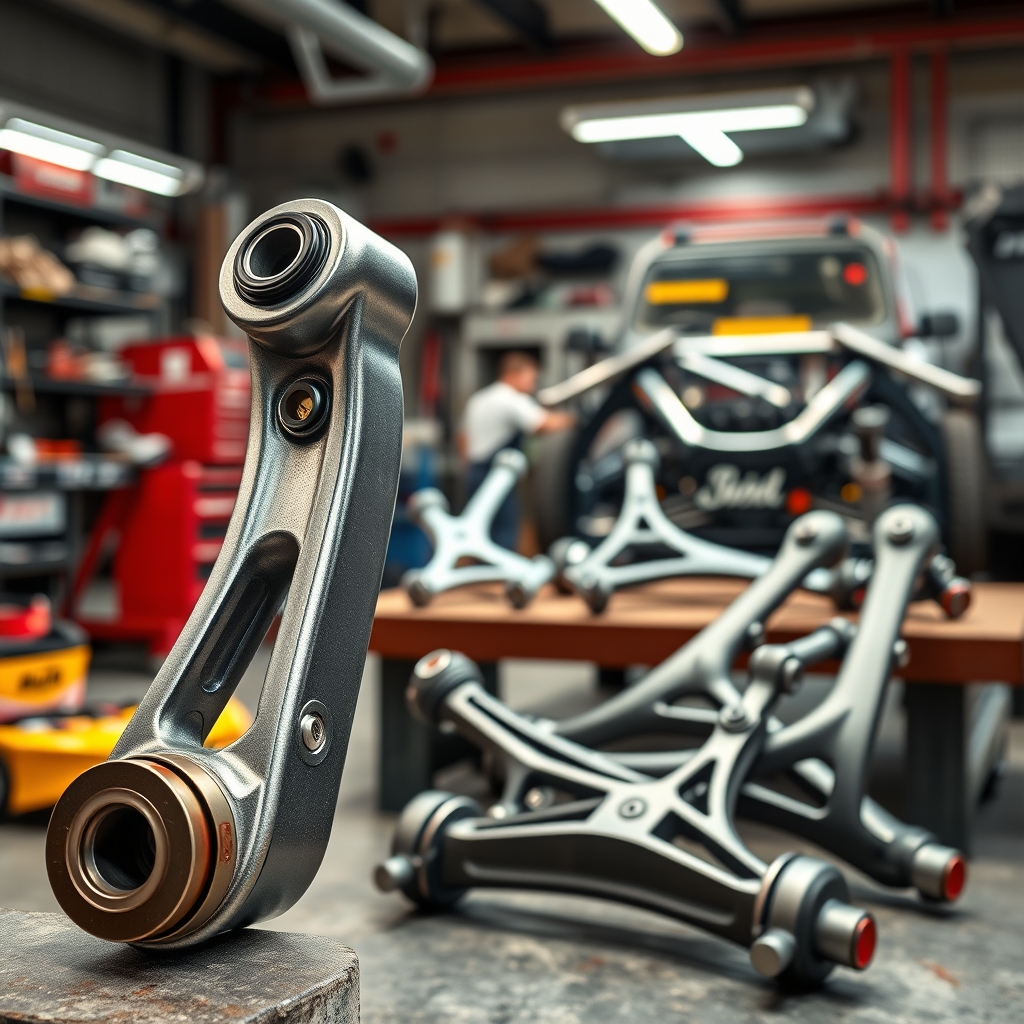
When it comes to vehicle handling, comfort, and safety, few components play as pivotal a role as control arms. Often overlooked by casual drivers, these unsung heroes of the suspension system are the backbone of a smooth ride and precise wheel alignment. Whether you’re navigating tight corners on a performance track or cruising down a highway, the type and condition of your control arms can make all the difference. Let’s explore the world of control arms, their varieties, and why they matter more than you might think.
The Anatomy of Control Arms
Control arms, also known as suspension arms or A-arms, are the connecting links between the vehicle’s chassis and the wheel hub. They come in various shapes and sizes, but their primary function remains the same: to allow the wheels to move up and down while maintaining proper alignment with the road. Typically, a vehicle will have at least two control arms per wheel—an upper control arm and a lower control arm—though some designs may use a single arm or even a multi-link setup.
The lower control arm is usually the larger of the two, bearing most of the weight and forces generated during acceleration, braking, and cornering. The upper control arm, on the other hand, helps manage camber angles and ensures the wheel stays perpendicular to the road surface. Together, they form a critical part of the suspension geometry, working in harmony with other components like bushings, ball joints, and sway bars.
Types of Control Arms: From Stock to Performance
The world of control arms is far from one-size-fits-all. Manufacturers design these components with specific goals in mind, whether it’s comfort, durability, or high-performance handling. Here’s a breakdown of the most common types:
Stock Control Arms
Most vehicles come equipped with stock control arms designed for everyday driving. These are typically made from stamped steel or cast iron, offering a balance of strength and cost-effectiveness. While they may not be the most exciting option, stock control arms are engineered to meet the manufacturer’s specifications for ride quality and longevity. However, they can wear out over time, especially in harsh driving conditions or with heavy loads.
Heavy-Duty and Tubular Control Arms
For those who demand more from their vehicles—whether it’s towing heavy loads, off-roading, or aggressive driving—heavy-duty control arms are the way to go. These are often constructed from thicker steel or even tubular designs, which reduce weight while increasing strength. Tubular control arms, in particular, are popular in performance and custom builds, as they offer improved rigidity and can be tailored to specific suspension setups. Brands specializing in off-road or racing applications often use these to enhance durability and handling precision.
Aluminum Suspension Arms
Weight reduction is a key factor in performance driving, and aluminum control arms are a favorite among enthusiasts for this reason. Aluminum offers a significant weight savings over steel, which can improve acceleration, braking, and fuel efficiency. Additionally, aluminum’s natural resistance to corrosion makes it an excellent choice for vehicles exposed to harsh weather conditions. However, aluminum arms may not be as durable as their steel counterparts in extreme off-road or heavy-duty applications.
Adjustable and Camber Control Arms
For drivers who want to fine-tune their vehicle’s handling, adjustable control arms are a game-changer. These arms allow for precise adjustments to camber, caster, and toe angles, which can dramatically improve cornering performance and tire wear. Camber control arms, in particular, are essential for performance vehicles, where even minor misalignments can lead to uneven tire wear or poor handling. Whether you’re building a track car or simply want to optimize your daily driver, adjustable arms offer unparalleled customization.
Double Wishbone and Multi-Link Arms
High-end vehicles and performance cars often feature double wishbone or multi-link suspension systems, which use multiple control arms to achieve superior handling and ride quality. Double wishbone setups, for example, use two control arms (upper and lower) per wheel, allowing for independent control of camber and wheel movement. This design is favored in sports cars and luxury vehicles for its ability to maintain optimal tire contact with the road, even during aggressive maneuvers. Multi-link systems take this a step further, using three or more arms to achieve even greater flexibility and precision.
Signs of Worn Control Arms and When to Replace Them
Like any mechanical component, control arms are subject to wear and tear. Over time, the bushings, ball joints, or even the arms themselves can degrade, leading to a host of handling issues. Here are some common signs that your control arms may need attention:
- Clunking or rattling noises: Worn bushings or ball joints can cause the control arms to move excessively, resulting in unusual noises, especially over bumps or rough roads.
- Uneven tire wear: If your tires are wearing unevenly, it could be a sign of misaligned wheels, often caused by worn or bent control arms.
- Poor handling or steering response: If your vehicle feels loose, wanders, or doesn’t respond as crisply as it used to, it may be time to inspect the control arms.
- Vibration or pulling: Excessive vibration in the steering wheel or a tendency for the vehicle to pull to one side can indicate issues with the control arms or their associated components.
If you notice any of these symptoms, it’s essential to have your suspension system inspected by a professional. Ignoring worn control arms can lead to further damage to other components, such as tires, shocks, or even the vehicle’s frame.
Upgrading Your Control Arms: Is It Worth It?
For most drivers, stock control arms are more than adequate for daily driving. However, if you’re looking to enhance your vehicle’s performance, off-road capability, or customization, upgrading to aftermarket control arms can be a worthwhile investment. Performance-oriented arms, such as tubular or adjustable designs, can improve handling, reduce weight, and allow for fine-tuning of suspension geometry. Off-road enthusiasts may opt for heavy-duty or reinforced arms to withstand the rigors of rough terrain, while track enthusiasts might prioritize lightweight aluminum or adjustable arms for better cornering and stability.
When considering an upgrade, it’s important to match the control arms to your specific needs. For example, a daily driver may not benefit from the same setup as a dedicated track car, and vice versa. Consulting with a suspension specialist or doing thorough research can help you make an informed decision that aligns with your driving style and goals.
Every journey begins with a single turn of the wheel, and the quality of that turn is often determined by the components working silently beneath the surface. Control arms may not be the most glamorous part of a vehicle, but their impact on handling, safety, and comfort is undeniable. Whether you’re driving a stock sedan, a lifted truck, or a high-performance sports car, understanding the role of control arms can help you make better decisions about maintenance, upgrades, and overall vehicle dynamics. The road ahead is full of possibilities—make sure your suspension is ready to handle whatever comes your way.