Monster Engine Swaps: Transforming Your Ride with Unmatched Power
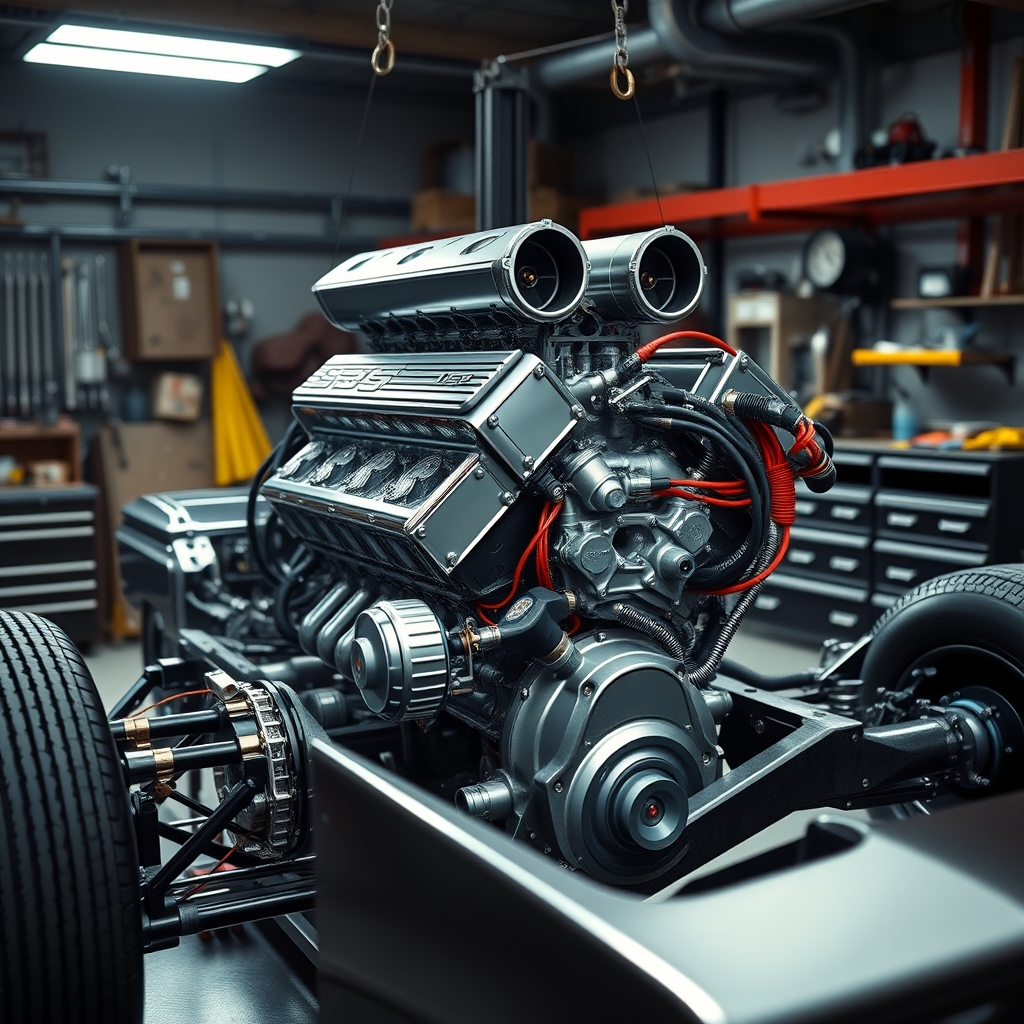
Few modifications capture the imagination of car enthusiasts quite like a monster engine swap. The idea of dropping a high-performance powerplant into a project car—transforming it from a daily driver into a tire-shredding beast—is the ultimate expression of automotive creativity and engineering prowess. Whether you’re aiming for jaw-dropping horsepower, unmatched reliability, or a blend of both, the right engine swap can redefine what your ride is capable of. But where do you start? With so many options available, from turnkey crate engines to bespoke custom builds, the journey can feel overwhelming. Let’s break down the essentials to help you make an informed decision and turn your vision into reality.
The Allure of Engine Swaps: Why Go Big?
Engine swaps are nothing new, but the stakes have never been higher. Modern performance engines offer levels of power and efficiency that were unimaginable just a decade ago. Swapping in a more potent engine isn’t just about bragging rights; it’s about unlocking potential. Imagine taking a lightweight, agile chassis and pairing it with a modern turbocharged V6 or a supercharged V8. The result? A car that accelerates like a rocket, handles like a dream, and turns heads at every stoplight. For many, the appeal lies in the challenge—taking two disparate systems and making them work harmoniously. It’s a puzzle that rewards patience, skill, and a deep understanding of automotive mechanics.
Beyond the performance gains, engine swaps allow for a level of personalization that factory builds simply can’t match. Want a classic muscle car with the reliability of a modern drivetrain? Swap in an LS engine. Dreaming of a sleeper that leaves supercars in the dust? A well-executed swap can make that a reality. The possibilities are limited only by your imagination—and, of course, your budget.
Crate Engines vs. Custom Builds: The Great Debate
When it comes to engine swaps, one of the first decisions you’ll face is whether to go with a crate engine or a custom build. Both options have their merits, and the right choice depends on your goals, budget, and mechanical expertise.
The Case for Crate Engines
Crate engines are pre-assembled powerplants that arrive at your door ready to install. They’re designed to be plug-and-play, offering a hassle-free way to inject serious power into your project. Brands like Chevrolet Performance, Ford Racing, and Mopar offer a wide range of crate engines, from mild-mannered V8s to fire-breathing monsters like the Chevrolet LT4 or Ford’s Predator V8. The biggest advantage of crate engines is convenience. They come with warranties, dyno-tested performance numbers, and compatibility with a variety of aftermarket parts. For those who want to skip the guesswork and get straight to driving, crate engines are an excellent choice.
Another benefit of crate engines is their reliability. Since they’re built by professionals using high-quality components, you can trust that they’ll perform as advertised. This makes them ideal for enthusiasts who want to focus on other aspects of their build, like suspension tuning or interior upgrades, without worrying about engine teething issues. However, crate engines aren’t without drawbacks. They can be expensive, and their off-the-shelf nature means they may not perfectly align with your specific vision. If you’re looking for something truly unique, a crate engine might feel a bit too cookie-cutter.
The Custom Build Approach
For those who crave something one-of-a-kind, a custom engine build is the way to go. This route involves sourcing individual components—blocks, heads, pistons, camshafts—and assembling them to create a powerplant tailored to your exact specifications. Custom builds offer unparalleled flexibility, allowing you to fine-tune every aspect of the engine’s performance. Want a high-revving naturally aspirated V8? A turbocharged inline-six with a specific power band? A custom build can make it happen.
The downside? Custom builds require a significant investment of time, money, and expertise. You’ll need to work with a reputable engine builder who understands your goals and can deliver on them. There’s also the risk of compatibility issues, as mixing and matching components can sometimes lead to unforeseen challenges. But for those who are willing to put in the effort, the rewards are immense. A well-executed custom build can result in an engine that’s not only powerful but also perfectly suited to your driving style and the demands of your vehicle.
Real-World Examples: Swaps That Deliver
Theory is one thing, but real-world examples are where the magic happens. Let’s take a look at a few engine swaps that have set the bar for performance and creativity.
The LS Swap: A Modern Classic
No discussion of engine swaps would be complete without mentioning the LS engine family. Chevrolet’s LS engines have become the gold standard for swaps, thanks to their compact size, lightweight design, and incredible power potential. From classic muscle cars to modern tuner builds, the LS swap has been executed in countless vehicles, each time delivering jaw-dropping performance. One standout example is the LS-swapped Datsun 240Z, a project that combines the timeless styling of a Japanese classic with the brute force of an American V8. The result is a car that’s as thrilling to drive as it is to behold.
What makes the LS swap so popular? For starters, the engines are widely available and relatively affordable. They’re also incredibly versatile, with a vast aftermarket supporting everything from mild builds to all-out race engines. Whether you’re dropping an LS3 into a Miata or an LS7 into a Camaro, the possibilities are endless. The LS swap isn’t just a modification; it’s a rite of passage for many enthusiasts.
The RB26DETT: A JDM Legend
On the other side of the spectrum, we have the RB26DETT, Nissan’s legendary inline-six engine. Originally found in the Skyline GT-R, the RB26 is a favorite among JDM enthusiasts for its robust construction and massive tuning potential. Swapping an RB26 into a lightweight chassis, like a Nissan S13 or S14, creates a drift machine or time-attack monster that’s hard to beat. The engine’s twin-turbo setup and strong internals make it capable of handling extreme power levels, making it a top choice for those who demand performance without compromise.
The RB26 swap is a testament to the global appeal of engine swaps. It’s not just about American muscle or European precision; it’s about finding the right engine for the job, no matter where it comes from. The RB26’s reputation for reliability and power has made it a sought-after option for builders around the world, proving that great engineering knows no borders.
The Coyote Swap: Ford’s Modern Marvel
Ford’s Coyote V8, found in the Mustang GT and F-150, is another engine that’s making waves in the swap scene. Known for its high-revving nature and impressive power output, the Coyote is a favorite among Ford enthusiasts looking to upgrade their rides. One notable example is the Coyote-swapped Fox Body Mustang, a project that takes an already iconic muscle car and elevates it to new heights. The Coyote’s advanced technology, including variable cam timing, makes it a formidable choice for those who want modern performance in a classic package.
The Coyote swap is particularly appealing because it bridges the gap between old and new. It offers the raw power of a traditional V8 with the refinement and efficiency of modern engineering. For those who love the sound and feel of a V8 but want the benefits of cutting-edge technology, the Coyote is an excellent option. It’s a swap that delivers the best of both worlds, making it a standout choice for a wide range of builds.
Making the Right Choice for Your Build
With so many options available, choosing the right engine for your swap can feel like a daunting task. The key is to start with a clear vision of what you want to achieve. Are you building a track car that needs to be lightweight and agile? A drag car that demands brute force? Or a street machine that balances power and drivability? Your goals will dictate the best engine for the job.
Budget is another critical factor. Crate engines offer a predictable cost, while custom builds can quickly escalate in price. Don’t forget to account for additional expenses like transmission adapters, wiring harnesses, and tuning. These can add up quickly, so it’s essential to plan ahead and allocate funds accordingly. Working with a reputable shop or builder can also help you avoid costly mistakes and ensure that your swap goes smoothly.
Finally, consider the long-term implications of your swap. Will the engine you choose be easy to maintain and upgrade in the future? Does it have a strong aftermarket following? These factors can make a big difference in the overall enjoyment and longevity of your build. The right engine swap isn’t just about immediate gratification; it’s about creating a car that you’ll love driving for years to come.
At the heart of every great engine swap is a passion for pushing boundaries. Whether you opt for a crate engine or a custom build, the journey is as rewarding as the destination. The thrill of firing up your newly swapped engine for the first time, hearing it roar to life, and knowing that you’ve created something truly unique is an experience like no other. It’s a testament to the ingenuity and creativity of the automotive community, where limits are meant to be broken and dreams are turned into reality. Every rev of the engine is a reminder of what’s possible when you dare to think outside the box and embrace the power of transformation.