Mega Truck Racing: The Fastest and Most Extreme Off-Road Competitions
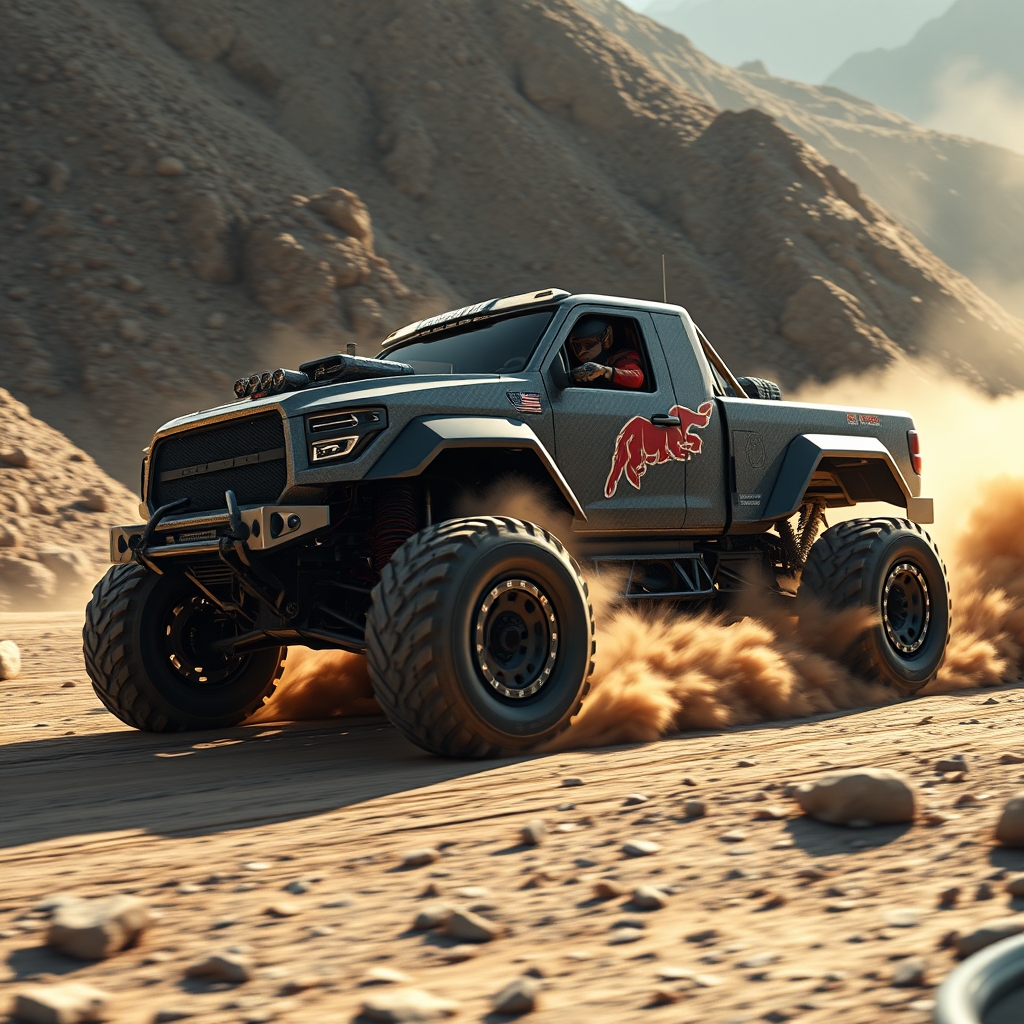
When you think of motorsports, images of sleek Formula 1 cars or roaring NASCAR vehicles might come to mind. But there’s another world of racing that combines raw power, sheer size, and unmatched adrenaline—mega truck racing. These colossal machines, often weighing over five tons, tear through circuits and off-road tracks with a ferocity that leaves spectators breathless. From the thunderous roar of engines to the clouds of dust kicked up by spinning tires, mega truck racing is a spectacle unlike any other.
The Rise of Mega Truck Racing
Mega truck racing has evolved from a niche spectacle into a globally recognized motorsport. One of the most prestigious series in this category is the FIA European Truck Racing Championship (ETRC), which has been captivating audiences since the 1980s. Unlike traditional racing, where speed is often the sole focus, truck racing adds layers of complexity. Drivers must master the art of handling vehicles that are not only massive but also heavily modified for performance and safety. The ETRC, for instance, features trucks that are stripped down, reinforced, and equipped with high-performance engines capable of reaching speeds of up to 160 km/h (100 mph) on straightaways.
Beyond Europe, mega truck racing has found a home in other parts of the world, including the United States, where events like the Baja 1000 and King of the Hammers push these behemoths to their limits in grueling off-road conditions. These races test not just the drivers’ skills but also the durability of the trucks themselves, as they navigate rocky terrains, deep mud, and steep inclines.
The Machines: Modifications That Push Limits
Turning a commercial truck into a racing machine is no small feat. The modifications required are extensive and designed to maximize speed, agility, and safety. Here’s a breakdown of what it takes to transform a standard truck into a racing monster:
Engine and Powertrain
Racing trucks are fitted with high-performance engines that can produce upwards of 1,000 horsepower. In the ETRC, for example, engines are limited to 1,150 horsepower to ensure a level playing field. Turbocharging is common, as it allows these engines to deliver massive torque, essential for accelerating such heavy vehicles. The powertrain is also reinforced to handle the extreme stress of racing, with upgraded transmissions, clutches, and differentials.
Suspension and Chassis
Off-road racing demands a suspension system that can absorb brutal impacts while keeping the truck stable. Racing trucks often feature long-travel suspension setups, with coilovers or air shocks that can be adjusted for different track conditions. The chassis is reinforced with roll cages and additional bracing to protect the driver in the event of a rollover or collision. Weight reduction is also critical, so teams use lightweight materials like carbon fiber and aluminum wherever possible.
Aerodynamics and Bodywork
While aerodynamics might not seem like a priority for a truck, it plays a crucial role in racing. Teams add spoilers, splitters, and diffusers to reduce drag and improve stability at high speeds. The bodywork is often stripped down to the bare essentials, with fiberglass or carbon fiber panels replacing heavier metal components. This not only reduces weight but also allows for better airflow around the truck.
Safety Modifications
Safety is paramount in mega truck racing. Drivers are protected by reinforced cabins, multi-point harnesses, and fire suppression systems. The trucks are also equipped with high-performance braking systems, often featuring carbon-ceramic rotors and multi-piston calipers, to ensure they can stop quickly even at high speeds. In off-road racing, where conditions can be unpredictable, these safety features can mean the difference between a close call and a catastrophic accident.
The Drivers: Masters of Control and Precision
Driving a mega truck is not for the faint of heart. It requires a unique blend of skill, courage, and precision. Unlike smaller race cars, trucks have a higher center of gravity, making them more prone to tipping over. Drivers must constantly balance speed with control, especially when navigating tight corners or uneven terrain. The physical demands are also intense—steering a truck weighing several tons requires significant strength, and the G-forces experienced during acceleration and braking can take a toll on the body.
Some of the most legendary names in mega truck racing have become icons in the motorsport world. Drivers like Jochen Hahn, a six-time ETRC champion, and Steffi Halm, one of the few women to compete at the highest level of truck racing, have demonstrated that skill and determination can overcome the challenges of handling these massive machines. Their ability to push the limits while maintaining control has earned them a place in the hearts of fans worldwide.
The Future of Mega Truck Racing
As with any motorsport, mega truck racing is constantly evolving. One of the most exciting developments is the push toward sustainability. With the automotive industry shifting toward electric and hybrid technologies, truck racing is beginning to explore alternative power sources. The FIA ETRC has already introduced hybrid systems in some of its trucks, and there are discussions about fully electric racing trucks in the future. These innovations could reduce the environmental impact of the sport while also attracting new fans and sponsors.
Another trend is the growing popularity of off-road mega truck racing. Events like the Dakar Rally and King of the Hammers have shown that there is a massive audience for high-stakes, high-adrenaline racing in extreme conditions. As these events gain more attention, we can expect to see even more innovation in truck design and racing strategies, as teams compete to conquer the toughest terrains on the planet.
Technology is also playing a bigger role in the sport. Advanced telemetry systems allow teams to monitor every aspect of the truck’s performance in real-time, from engine temperatures to suspension travel. This data helps drivers and engineers make split-second decisions that can mean the difference between victory and defeat. Additionally, virtual reality and simulator training are becoming more common, giving drivers the opportunity to practice on tracks before they even set foot in the truck.
The world of mega truck racing is a thrilling blend of power, skill, and innovation. Whether it’s the thunderous roar of engines on a European circuit or the dust-choked battles of an off-road endurance race, these competitions offer a unique spectacle that captivates fans around the globe. As the sport continues to evolve, one thing is certain: the drivers and teams who push these machines to their limits will keep redefining what’s possible, leaving audiences on the edge of their seats with every lap, every jump, and every heart-stopping moment.