The Science and Style of Multi-Piece Wheels: Engineering Precision Meets Automotive Artistry

In the world of automotive customization, few upgrades make as bold a statement as multi-piece wheels. These meticulously engineered rims are not just about aesthetics—they represent the pinnacle of wheel craftsmanship, blending advanced materials, precision engineering, and unparalleled customization options. For enthusiasts who demand both performance and exclusivity, multi-piece wheels offer a level of refinement that single-piece designs simply cannot match.
The Anatomy of Multi-Piece Wheels
Unlike traditional one-piece wheels, which are cast or forged as a single unit, multi-piece wheels are constructed from two or more separate components. Typically, these include a center disc (or spider) and an outer barrel, which are bolted together to form the complete wheel. Some high-end designs even incorporate a third piece, such as a split barrel, allowing for even greater customization in width and offset.
The center disc is often the most visually striking part of the wheel, featuring intricate designs like split spokes, machined faces, or deep concave profiles. This component is usually made from forged aluminum or billet, ensuring strength while keeping weight to a minimum. The barrel, on the other hand, is responsible for the wheel’s structural integrity and is often crafted from high-grade aluminum or, in some cases, carbon fiber for ultra-lightweight applications.
Why Choose Multi-Piece Wheels?
The appeal of multi-piece wheels lies in their versatility. Because the components are assembled rather than cast as a single unit, manufacturers can offer a wider range of sizes, offsets, and finishes without the need for entirely new molds. This means that a single wheel design can be adapted to fit everything from a sleek luxury sedan to a rugged off-road beast, all while maintaining the same aesthetic.
For performance-driven enthusiasts, multi-piece wheels also offer significant advantages. The ability to fine-tune the wheel’s width and offset allows for better tire fitment, which can improve handling, grip, and even fuel efficiency. Additionally, the modular nature of these wheels makes them easier to repair—if the barrel is damaged, it can often be replaced without scrapping the entire wheel, saving both time and money.
The Role of Materials in Multi-Piece Wheel Construction
The choice of materials plays a crucial role in the performance and durability of multi-piece wheels. Forged aluminum is a popular option for its strength-to-weight ratio, making it ideal for high-performance applications. Billet aluminum, which is machined from a solid block, offers even greater precision and customization, though it tends to be heavier than forged alternatives.
For those seeking the ultimate in lightweight performance, carbon fiber has emerged as a game-changer. Carbon fiber barrels paired with forged aluminum centers create a wheel that is not only incredibly strong but also significantly lighter than traditional designs. This reduction in unsprung weight translates to better acceleration, braking, and overall handling, making carbon fiber multi-piece wheels a favorite among track enthusiasts and hypercar owners.
Customization: The Ultimate Expression of Individuality
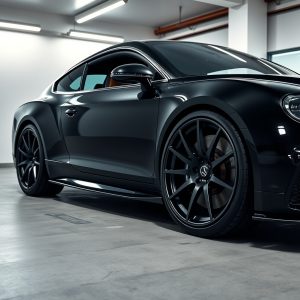
One of the most compelling reasons to opt for multi-piece wheels is the level of customization they offer. Because the center disc and barrel are separate components, each can be finished in different ways. For example, a wheel might feature a gloss black barrel paired with a machined face center, or a satin black finish with polished accents. This level of detail allows owners to create a truly unique look that reflects their personal style.
Beyond finishes, multi-piece wheels can also be customized in terms of width, offset, and even spoke design. Deep dish configurations, for instance, are popular among enthusiasts who want to push their wheels outward for a more aggressive stance. Meanwhile, concave designs create a dynamic, three-dimensional effect that enhances the wheel’s visual impact. With so many options available, multi-piece wheels make it possible to achieve a one-of-a-kind look that sets a vehicle apart from the crowd.
The Future of Multi-Piece Wheel Design
As automotive technology continues to evolve, so too does the art of wheel design. Advances in manufacturing techniques, such as 3D printing and CNC machining, are pushing the boundaries of what’s possible with multi-piece wheels. These innovations allow for even more intricate designs, lighter weights, and greater strength, ensuring that multi-piece wheels remain at the forefront of automotive customization.
Moreover, the growing demand for sustainability in the automotive industry is driving the development of new materials and processes. Recycled aluminum, for example, is becoming an increasingly popular choice for wheel manufacturers, offering a more eco-friendly alternative without compromising on performance or aesthetics. As these trends continue to gain traction, multi-piece wheels are poised to become not just a symbol of luxury and performance, but also of environmental responsibility.
Whether you’re drawn to the precision engineering, the unmatched customization options, or the sheer visual impact, multi-piece wheels represent the ultimate fusion of form and function. They are more than just a component of your vehicle—they are a statement, a work of art, and a testament to the relentless pursuit of automotive excellence. In a world where individuality is increasingly valued, multi-piece wheels offer a way to stand out, to push boundaries, and to redefine what it means to drive in style.