
Tire Tech Uncovered: How the Right Tread Can Transform Your Drive in Any Condition
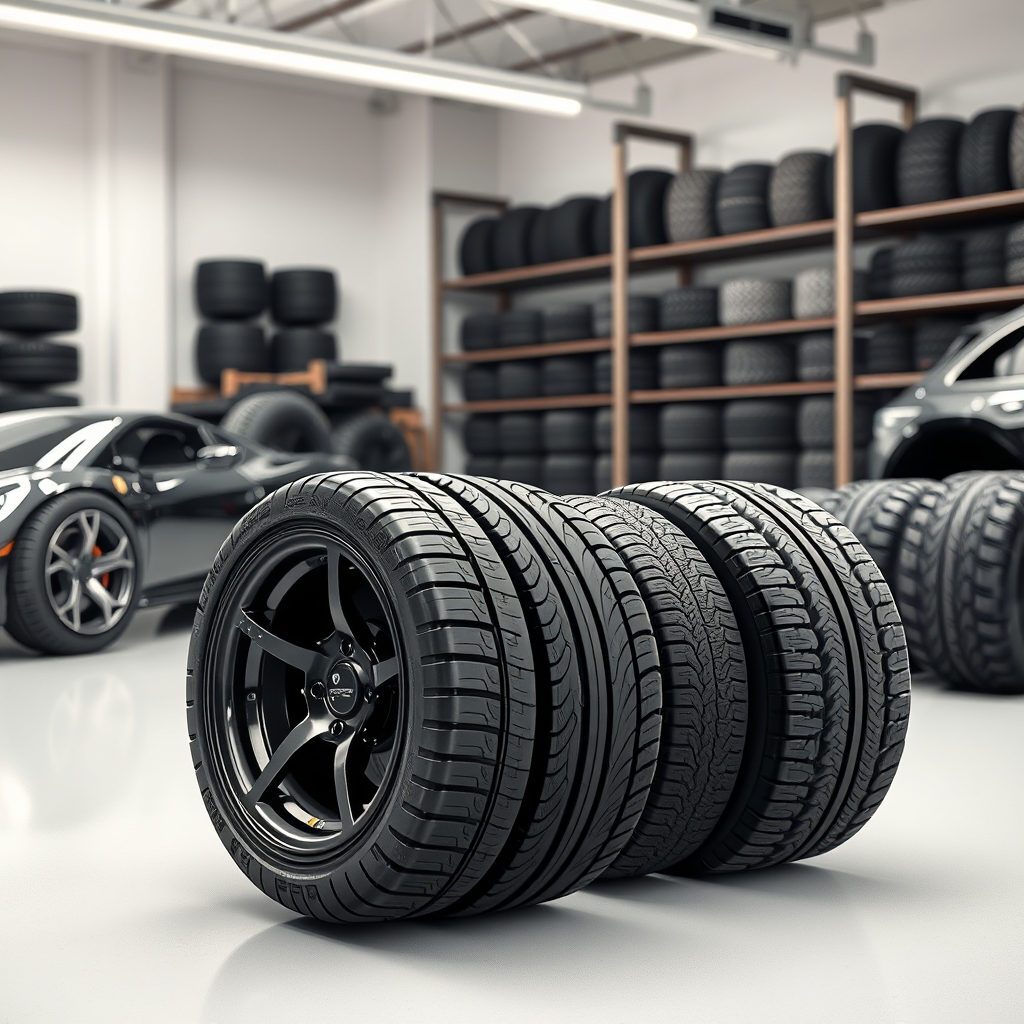
Tires are the unsung heroes of every journey, silently determining how your vehicle grips the road, handles turns, and responds to the elements. Whether you’re navigating icy winter roads, cruising on a sunlit highway, or tackling rugged off-road trails, the type of tire you choose can make or break your driving experience. With so many options available—from all-season tires to ultra-high-performance tires—understanding the nuances of each can help you make an informed decision that aligns with your driving needs and lifestyle.
The Versatility of All-Season Tires
All-season tires are the jack-of-all-trades in the tire world, designed to provide a balanced performance in a variety of conditions. They offer reliable traction in wet and dry conditions, moderate snow performance, and a comfortable ride, making them a popular choice for drivers in regions with mild climates. These tires are engineered with a tread pattern that evacuates water efficiently, reducing the risk of hydroplaning, while their rubber compounds are formulated to remain flexible in a range of temperatures. However, while they excel in versatility, they may not deliver the same level of grip as specialized tires in extreme conditions, such as heavy snow or high-performance driving.
When to Choose All-Season Radial Tires
For those who prioritize longevity and comfort, all-season radial tires are an excellent option. Radial construction, where the tire’s internal layers run perpendicular to the direction of travel, enhances durability and fuel efficiency. These tires are particularly well-suited for passenger cars and sedans, offering a smooth ride and even wear over time. If you’re looking for a tire that can handle daily commutes, weekend road trips, and the occasional light snow, all-season radials are a dependable choice.
Conquering the Elements with Specialized Tires
While all-season tires cover a broad spectrum of conditions, some driving scenarios demand a more specialized approach. Winter tires, for instance, are engineered with a softer rubber compound that remains pliable in freezing temperatures, providing superior grip on snow and ice. Their deep tread patterns and biting edges are designed to channel slush and snow away from the contact patch, ensuring maximum traction when it matters most. On the other end of the spectrum, summer tires are optimized for warm weather, offering exceptional handling and cornering performance on dry and wet roads. Their tread patterns are shallower, and their rubber compounds are firmer, delivering precise responsiveness for spirited driving.
The Off-Road Enthusiast’s Dream
For adventurers who venture beyond paved roads, off-road tires and mud-terrain tires are essential. These tires feature aggressive tread patterns with large voids and deep grooves, allowing them to bite into loose surfaces like mud, sand, and gravel. All-terrain tires strike a balance between on-road comfort and off-road capability, making them a popular choice for SUVs and trucks that see a mix of highway and trail use. Meanwhile, highway-terrain tires are designed for long-distance driving, offering a quiet, comfortable ride with enhanced fuel efficiency, ideal for those who spend most of their time on paved roads.
Performance and Efficiency: The Modern Tire Revolution
The tire industry has seen remarkable advancements in recent years, with innovations that cater to both performance and sustainability. Ultra-high-performance tires are engineered for sports cars and high-powered vehicles, delivering exceptional grip and handling at high speeds. Their low-profile designs and stiff sidewalls reduce flex, allowing for sharper cornering and more responsive steering. On the other end of the spectrum, eco-friendly tires are designed to reduce rolling resistance, improving fuel efficiency and lowering carbon emissions. These tires often incorporate sustainable materials, such as natural rubber or recycled compounds, without compromising on performance or safety.
Tires for the Electric Age
As electric vehicles (EVs) become more prevalent, tire manufacturers are adapting to the unique demands of these high-torque, heavy vehicles. Electric vehicle tires are designed to handle the instant torque and weight of EVs, while also minimizing road noise—a critical factor in the quiet cabins of electric cars. These tires often feature reinforced sidewalls to support the additional weight of batteries and specialized tread patterns to maximize range by reducing rolling resistance. For EV owners, choosing the right tire can enhance both performance and efficiency, making every charge go further.
Beyond the Basics: Innovations in Tire Technology
Modern tires are more than just rubber and tread; they’re packed with technology that enhances safety and convenience. Run-flat tires, for example, allow you to continue driving for a limited distance even after a puncture, eliminating the need for an immediate roadside tire change. This feature is particularly valuable for drivers who prioritize safety and convenience. Meanwhile, tire pressure monitoring systems (TPMS) provide real-time feedback on tire pressure, helping to prevent underinflation, which can lead to poor handling, reduced fuel efficiency, and increased wear. For those who demand the latest in tire innovation, tubeless car tires offer improved puncture resistance and a smoother ride by eliminating the inner tube, reducing the risk of sudden deflation.
Choosing the right tire is about more than just matching the size to your vehicle; it’s about aligning your selection with your driving habits, the conditions you encounter, and the performance you expect. Whether you’re seeking the versatility of all-season tires, the rugged capability of off-road tires, or the cutting-edge technology of electric vehicle tires, the perfect tread is out there. The road ahead is full of possibilities, and with the right tires, every journey can be a smooth, safe, and enjoyable one.