The Anatomy of Control Arms: How Design and Material Choices Impact Your Vehicle’s Performance
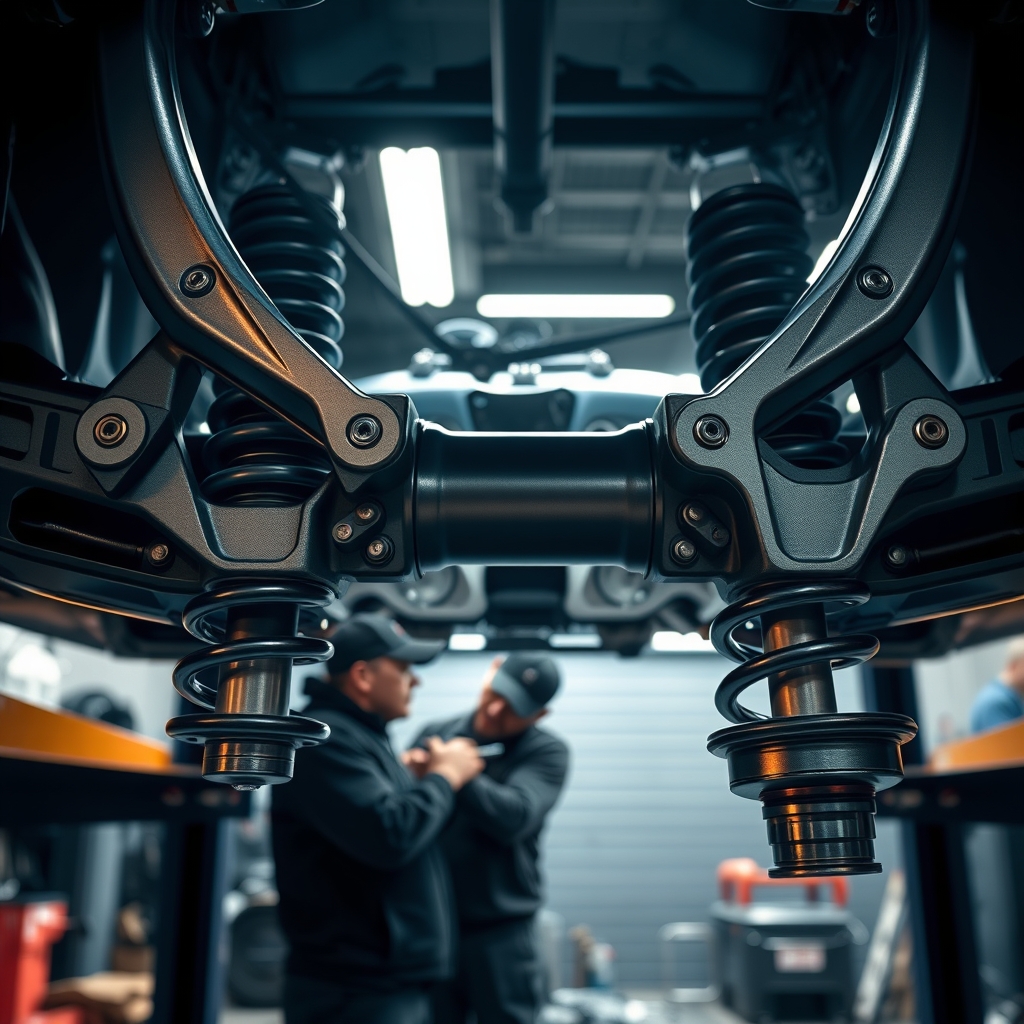
Control arms are the backbone of your vehicle’s suspension system, quietly dictating how your car handles, steers, and absorbs the imperfections of the road. While they may seem like simple components, their design, material, and placement play a pivotal role in everything from daily commuting comfort to high-performance track precision. Understanding the nuances of control arms—whether it’s a front lower control arm, a rear trailing arm, or an adjustable wishbone—can help you make informed decisions when upgrading or maintaining your suspension system.
The Core Function of Control Arms
At their essence, control arms act as the critical link between your vehicle’s chassis and its wheels. They allow the wheels to move up and down while maintaining proper alignment, ensuring that your tires stay in contact with the road. This movement is essential for absorbing shocks, providing stability, and delivering a smooth ride. In independent suspension systems, control arms work in pairs—often an upper and lower control arm—to manage wheel movement with precision. The lower control arm typically bears the brunt of the load, supporting the vehicle’s weight and managing lateral forces, while the upper control arm fine-tunes camber and alignment.
In more advanced setups, such as double wishbone or multi-link suspensions, control arms become even more specialized. A lateral control arm, for example, resists side-to-side forces, while a track control arm helps maintain wheel alignment during cornering. These variations highlight how control arms are not one-size-fits-all components but are instead engineered to meet specific performance demands.
Material Matters: From Stamped Steel to Aluminum and Beyond
The material of a control arm significantly influences its strength, weight, and durability. Traditional stamped steel control arms are common in factory setups due to their cost-effectiveness and reliability for everyday driving. However, they can be heavy, which may negatively impact fuel efficiency and handling agility. For those seeking performance enhancements, tubular control arms or aluminum suspension arms offer a compelling alternative.
Tubular control arms, often made from chromoly steel or high-strength alloys, provide superior rigidity while reducing weight. This combination is ideal for performance applications, where minimizing unsprung mass can lead to sharper throttle response and better handling. Aluminum control arms take this a step further by offering a lightweight solution that resists corrosion and reduces rotational inertia. While they may come at a higher cost, their benefits in terms of weight savings and durability make them a popular choice for enthusiasts and racers alike.
Bushings: The Unsung Heroes of Control Arm Performance
No discussion of control arms would be complete without addressing their bushings. These small but vital components act as cushions between the control arm and the vehicle’s chassis, absorbing vibrations and allowing for controlled movement. Over time, bushings can wear out, leading to clunks, poor alignment, and compromised handling. Upgrading to polyurethane or solid bushings can significantly enhance suspension responsiveness, though it may come at the cost of increased road noise and harshness.
For those prioritizing comfort, rubber bushings remain a solid choice, offering a balance between durability and vibration dampening. However, in high-performance or heavy-duty applications, such as towing or off-roading, reinforced or spherical bushings may be necessary to handle increased stress without compromising alignment.
Adjustable and Heavy-Duty Control Arms: Tailoring Your Suspension
One of the most exciting advancements in control arm technology is the rise of adjustable control arms. These components allow drivers to fine-tune their suspension geometry, adjusting camber, caster, and toe to suit specific driving conditions. Whether you’re dialing in a track setup or compensating for lowered ride height, adjustable control arms provide the flexibility to optimize handling without sacrificing comfort.
For vehicles subjected to extreme conditions—such as off-road trucks, towing setups, or performance builds—heavy-duty wishbones and reinforced control arms are essential. These components are designed to withstand higher loads and resist bending or flexing under stress. Brands specializing in custom suspension arms often use thicker materials, reinforced welds, and advanced coatings to ensure longevity, even in the most demanding environments.
Performance Control Arms: Elevating Handling and Precision
Performance-oriented control arms are engineered to deliver sharper handling, reduced body roll, and improved cornering stability. These arms often feature optimized geometries, such as camber control arms, which help maintain tire contact during aggressive maneuvers. In motorsports, where every millisecond counts, the right control arms can make the difference between a podium finish and a missed opportunity.
For street-driven vehicles, performance control arms can also enhance daily driving dynamics. By reducing flex and improving alignment retention, they contribute to a more predictable and engaging driving experience. Whether you’re navigating twisty backroads or simply merging onto the highway, the right control arms can transform your vehicle’s behavior from sluggish to sporty.
Choosing the Right Control Arms for Your Needs
Selecting the appropriate control arms for your vehicle depends on several factors, including your driving style, vehicle type, and intended use. For daily drivers, OEM-style or slightly upgraded control arms with durable bushings may be sufficient. However, for those pushing their vehicles to the limit—whether on the track, off-road, or under heavy loads—investing in high-quality, performance-oriented control arms is a game-changer.
It’s also worth considering the long-term implications of your choice. While budget-friendly options may save money upfront, they may not offer the same durability or performance benefits as premium alternatives. Conversely, top-tier control arms, while more expensive, can provide better value over time by reducing the need for frequent replacements and improving overall vehicle dynamics.
Every component in your suspension system plays a role in how your vehicle interacts with the road, but control arms are among the most influential. Their design, material, and adjustability can make the difference between a car that merely gets you from point A to point B and one that delivers an exhilarating, confidence-inspiring driving experience. Whether you’re fine-tuning a race car or simply upgrading your daily driver, understanding the intricacies of control arms ensures that your suspension system performs at its best, mile after mile.