Engineering Excellence: How Custom and Performance Control Arms Redefine Driving Dynamics
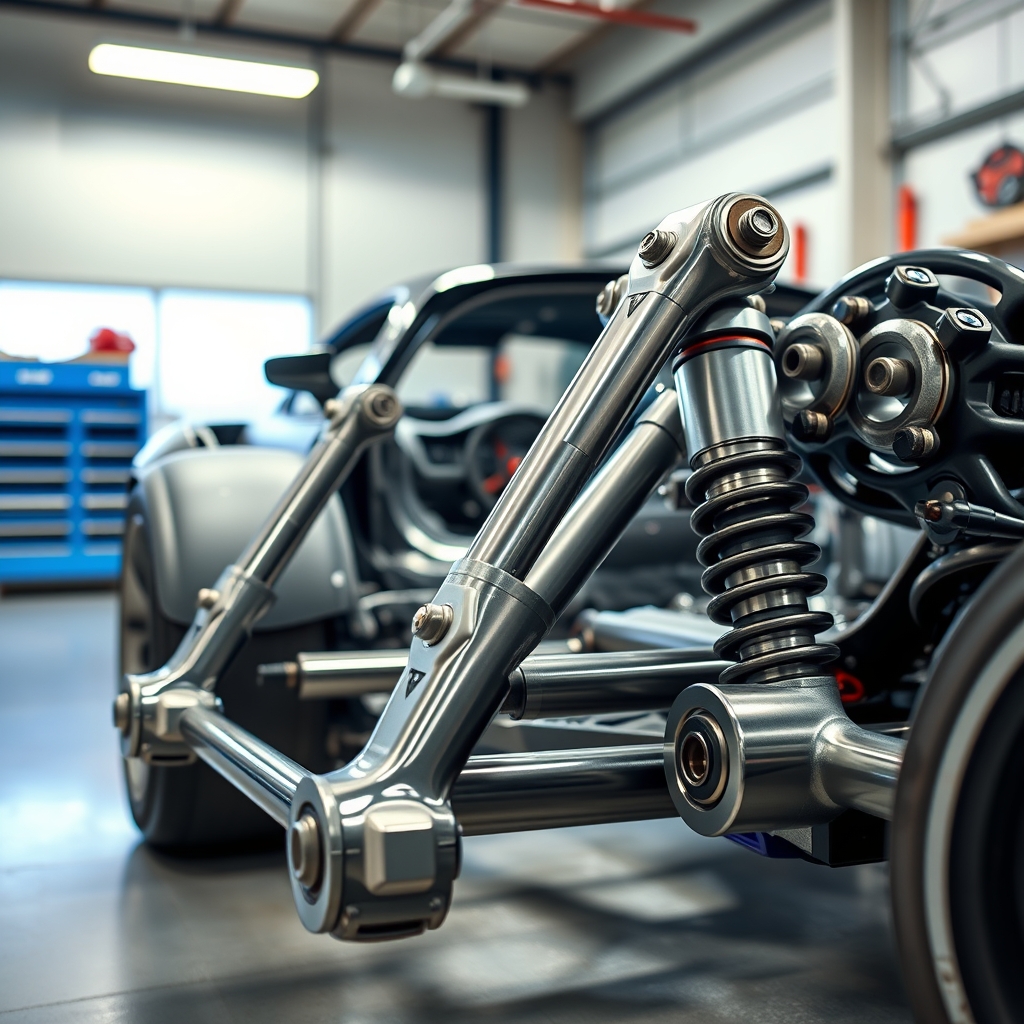
When it comes to fine-tuning a vehicle’s handling, few components play as pivotal a role as the control arms. These unsung heroes of the suspension system connect the wheel hub to the chassis, allowing for controlled movement while maintaining alignment. While factory control arms serve their purpose, aftermarket and performance-oriented designs—such as tubular control arms, adjustable control arms, and heavy-duty wishbones—take driving dynamics to an entirely new level. Whether you’re building a track-focused machine, restoring a classic, or simply seeking sharper cornering, understanding the nuances of these components can unlock a world of precision and responsiveness.
The Anatomy of Control Arms: More Than Just a Link
Control arms come in various shapes and configurations, each tailored to specific suspension setups. The most common types include:
- Lower Control Arms (LCA) – Typically found in both front and rear suspensions, these bear the brunt of road forces and play a crucial role in wheel alignment.
- Upper Control Arms (UCA) – Often paired with lower arms in double wishbone or multi-link setups, they help manage camber and caster angles for optimal tire contact.
- Trailing Arms & Lateral Control Arms – Common in rear suspensions, these arms control longitudinal and lateral movement, ensuring stability under acceleration and braking.
- Track Control Arms – Designed for performance applications, these arms enhance cornering stability by reducing flex and maintaining precise wheel positioning.
The material and construction of a control arm significantly influence its performance. Factory arms are often stamped steel, offering durability at the cost of weight and rigidity. In contrast, aftermarket options like tubular control arms and aluminum suspension arms provide superior strength-to-weight ratios, reducing unsprung mass for quicker suspension response. For extreme applications, heavy-duty wishbones and custom suspension arms are engineered to withstand high loads, making them ideal for off-road, towing, or high-performance driving.
Why Upgrade? The Performance Benefits of Advanced Control Arms
Stock control arms are designed for a balance of comfort, cost, and longevity, but they often compromise on precision. Upgrading to performance-oriented arms delivers several key advantages:
Enhanced Handling and Cornering
Adjustable control arms allow fine-tuning of camber, caster, and toe angles, optimizing tire contact with the road. This is particularly valuable for track enthusiasts, where even minor alignment adjustments can shave seconds off lap times. Camber control arms, for instance, let drivers dial in negative camber for aggressive cornering, reducing tire wear while maximizing grip.
Reduced Flex and Improved Durability
Factory control arms can flex under hard cornering or heavy loads, leading to inconsistent handling. Tubular control arms and double wishbone arms are engineered with reinforced geometries, minimizing deflection for more predictable behavior. This is especially critical in independent suspension setups, where flex can disrupt wheel alignment and compromise stability.
Weight Savings for Quicker Response
Unsprung weight—the mass not supported by the suspension—has a direct impact on how quickly a vehicle reacts to road imperfections. Aluminum suspension arms and lightweight tubular designs reduce this weight, allowing the suspension to move more freely. The result? Sharper turn-in, better feedback, and improved ride quality, whether on a smooth racetrack or a rough backroad.
Customization for Unique Applications
Not all vehicles are created equal, and neither are their suspension needs. Custom suspension arms are tailored to specific builds, whether it’s a lifted off-roader requiring extended travel or a lowered sports car demanding precise alignment. For drag racers, rear trailing arms with adjustable pinion angles help manage torque and prevent wheel hop, while drift cars benefit from adjustable control arms that allow for aggressive camber settings.
Choosing the Right Control Arms for Your Build
Selecting the ideal control arms depends on your vehicle’s intended use, budget, and performance goals. Here’s a breakdown of key considerations:
Material Matters: Steel vs. Aluminum vs. Tubular
- Stamped Steel – Affordable and durable, but heavier and more prone to flex. Best for daily drivers and mild performance applications.
- Aluminum – Lightweight and corrosion-resistant, ideal for road racing and street performance. However, it may not handle extreme loads as well as steel.
- Tubular Steel – The gold standard for performance, offering superior strength and rigidity while keeping weight in check. Common in track and off-road builds.
Adjustability: Fine-Tuning for Precision
If alignment flexibility is a priority, adjustable control arms are a must. These allow for on-the-fly adjustments to camber, caster, and toe, making them indispensable for track cars, drift builds, and vehicles with aggressive stance setups. Some advanced designs even feature spherical bearings instead of traditional bushings, eliminating deflection for razor-sharp handling.
Bushing Upgrades: The Unsung Hero of Suspension Refinement
Control arm bushings play a critical role in isolating road noise and vibrations, but they also introduce compliance that can dull handling precision. Upgrading to polyurethane or solid bushings reduces flex, sharpening throttle response and cornering feel. For race applications, spherical bearings eliminate all compliance, though they may transmit more noise and harshness into the cabin.
Compatibility and Fitment
Not all control arms are plug-and-play. Some aftermarket designs require modifications to the chassis or additional components, such as subframe connectors or revised sway bars. Always verify fitment with your vehicle’s make, model, and year, and consider whether the arms are designed for stock ride height or lowered/stanced setups. For forced-induction or heavily modified engines, heavy-duty wishbones may be necessary to handle increased torque and power.
Beyond raw performance, the right control arms can transform a vehicle’s character. A well-engineered set of tubular control arms or adjustable wishbones doesn’t just improve lap times or cornering speeds—it enhances the connection between driver and machine. Every bump, every turn, every acceleration becomes more deliberate, more controlled, more exhilarating. Whether you’re chasing podium finishes, conquering off-road trails, or simply seeking a more engaging daily drive, investing in quality control arms is one of the most impactful upgrades you can make. The road ahead isn’t just smoother; it’s more alive, more responsive, and more thrilling with every mile.