Tubular vs. Stamped: The Battle of Control Arm Materials and What It Means for Your Ride
When it comes to optimizing your vehicle’s suspension, the choice of control arms can make a world of difference. These critical components connect the wheel hub to the chassis, allowing for controlled movement while maintaining stability. But not all control arms are created equal. The material and construction method—whether tubular, stamped, or forged—play a pivotal role in determining performance, durability, and handling characteristics. Understanding these differences can help you make an informed decision, whether you’re upgrading for daily driving, off-roading, or high-performance track use.
The Basics: What Are Control Arms?
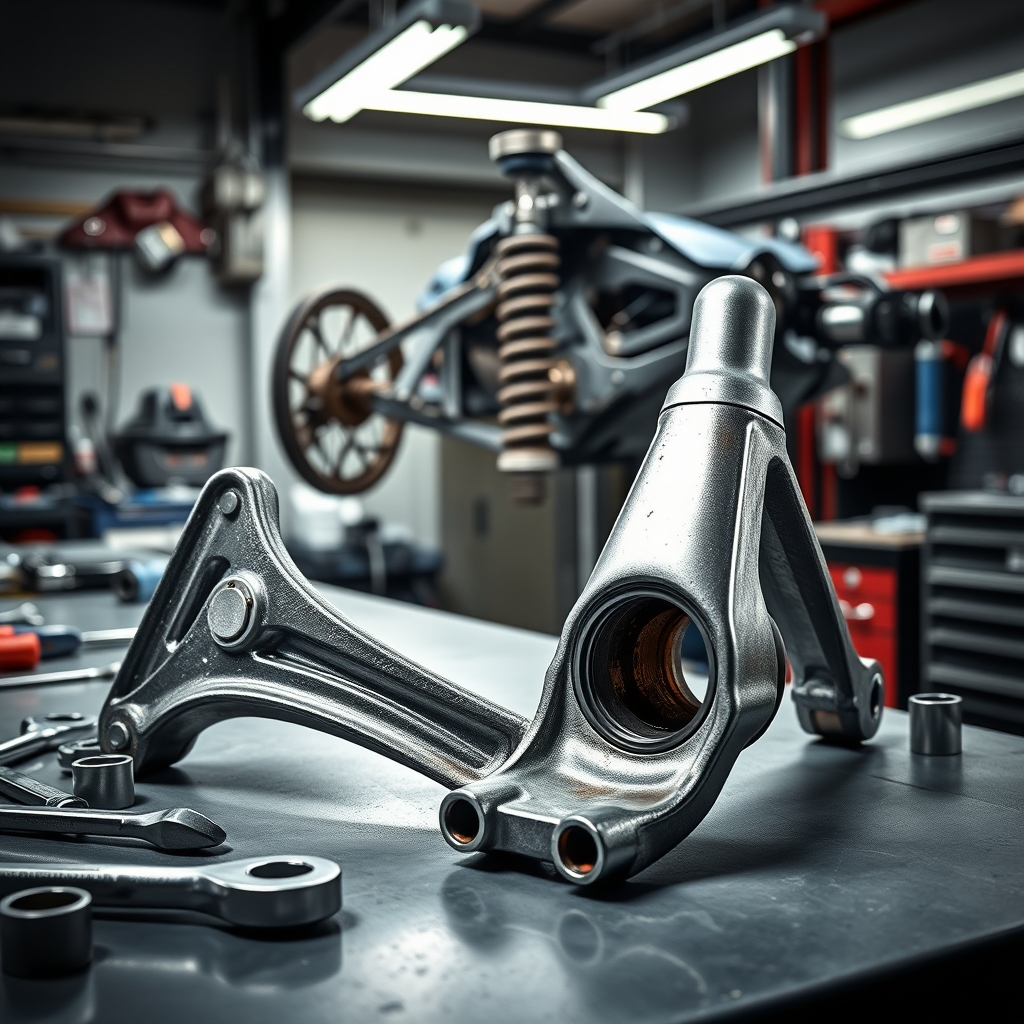
Control arms, often referred to as A-arms or wishbones, are essential components of a vehicle’s suspension system. They serve as the primary link between the wheel assembly and the vehicle’s frame, allowing the wheels to move up and down while keeping them aligned with the body. Control arms come in various configurations, including lower control arms, upper control arms, trailing arms, and lateral arms, each serving a specific purpose in maintaining ride quality and handling precision.
The most common types of control arms include:
- Lower Control Arms: Typically found in the front suspension, these bear the brunt of the vehicle’s weight and road forces.
- Upper Control Arms: Often used in conjunction with lower control arms, they help manage camber and caster angles for better alignment.
- Rear Trailing Arms: Found in rear suspensions, these control longitudinal wheel movement and contribute to stability.
- Adjustable Control Arms: Popular in performance applications, these allow for fine-tuning of suspension geometry for optimal handling.
Stamped Steel Control Arms: The Reliable Workhorse
Stamped steel control arms are the most common type found in factory vehicles. These are typically made from pressed steel sheets, welded together to form a sturdy, cost-effective component. Stamped steel arms are favored for their affordability, ease of manufacturing, and decent durability under normal driving conditions. They are well-suited for daily drivers, commuter vehicles, and light-duty applications where extreme performance isn’t a priority.
However, stamped steel control arms have their limitations. They tend to be heavier, which can negatively impact fuel efficiency and handling agility. Additionally, their construction can make them more susceptible to flexing under heavy loads or aggressive driving, leading to reduced precision in wheel control. Over time, exposure to moisture and road salt can also cause rust, compromising their structural integrity.
Tubular Control Arms: The Performance Upgrade
For enthusiasts seeking improved handling, durability, and weight savings, tubular control arms are a popular upgrade. These arms are constructed from hollow steel or aluminum tubes, which are welded together to form a lightweight yet rigid structure. Tubular control arms offer several advantages over their stamped counterparts:
- Weight Reduction: The hollow design significantly reduces unsprung weight, improving suspension response and overall vehicle agility.
- Increased Strength: Tubular construction distributes stress more evenly, reducing the risk of flexing or bending under extreme conditions.
- Customization: Tubular arms can be designed with specific geometries to optimize camber, caster, and toe angles for performance applications.
- Corrosion Resistance: Many tubular arms are coated or made from materials like aluminum, which resist rust and prolong lifespan.
Tubular control arms are particularly popular in performance and off-road builds. They are often used in conjunction with other upgrades, such as adjustable control arms or heavy-duty bushings, to fine-tune suspension behavior. Brands like Hotchkis, BMR, and Spohn specialize in high-quality tubular arms designed for specific vehicles, ensuring a perfect fit and superior performance.
Aluminum Control Arms: The Lightweight Contender
For those looking to push the boundaries of weight savings and performance, aluminum control arms are an excellent choice. Aluminum offers a high strength-to-weight ratio, making it ideal for applications where reducing unsprung mass is critical. These arms are commonly found in high-performance and luxury vehicles, where precision handling and ride comfort are paramount.
Aluminum control arms provide several benefits:
- Significant Weight Savings: Aluminum is much lighter than steel, which can improve acceleration, braking, and fuel efficiency.
- Corrosion Resistance: Unlike steel, aluminum does not rust, making it ideal for vehicles exposed to harsh weather conditions.
- Heat Dissipation: Aluminum dissipates heat more effectively than steel, which can be beneficial in high-performance applications where braking and suspension components generate significant heat.
However, aluminum control arms are not without their drawbacks. They tend to be more expensive than steel alternatives and may not offer the same level of durability under extreme loads or impacts. Additionally, aluminum can be more prone to fatigue over time, particularly in applications where the suspension is subjected to repeated stress cycles.
Heavy-Duty and Performance-Oriented Control Arms
For vehicles that see heavy use, such as trucks, off-road rigs, or track cars, heavy-duty control arms are a necessity. These arms are typically constructed from thicker materials, reinforced with gussets, or designed with larger bushings to withstand the increased stresses of aggressive driving. Heavy-duty control arms are often used in conjunction with other suspension upgrades, such as lift kits or performance shocks, to create a robust and capable setup.
Performance-oriented control arms, on the other hand, are designed with precision handling in mind. These arms often feature adjustable components, allowing drivers to fine-tune suspension geometry for optimal cornering, braking, and acceleration. Adjustable control arms are particularly popular in motorsports, where even minor adjustments can make a significant difference in lap times and overall performance.
Bushings: The Unsung Heroes of Control Arm Performance
While the material and construction of the control arm itself are critical, the bushings play an equally important role in determining performance. Bushings are the flexible components that connect the control arm to the vehicle’s frame, allowing for controlled movement while dampening vibrations and noise. The type of bushing used can significantly impact ride quality, handling precision, and longevity.
Factory control arms typically come with rubber bushings, which provide a comfortable ride but can degrade over time and allow for excessive flex. Upgrading to polyurethane or solid metal bushings can improve handling precision by reducing deflection, but they may also transmit more road noise and vibrations into the cabin. For performance applications, spherical bearings or heim joints are often used, as they eliminate deflection entirely, providing the most precise wheel control.
Choosing the right control arms for your vehicle is about balancing your priorities—whether it’s comfort, durability, performance, or a combination of these factors. Stamped steel arms offer a cost-effective solution for daily driving, while tubular and aluminum arms provide the weight savings and precision needed for performance applications. Heavy-duty arms ensure reliability under extreme conditions, and adjustable arms allow for fine-tuning to match your driving style. By understanding the strengths and weaknesses of each material and construction method, you can make an informed decision that enhances your vehicle’s handling, safety, and overall driving experience. The right control arms don’t just improve your ride; they transform it, turning every drive into an opportunity to feel the road in a way you never thought possible.