The Science of Stability: How Control Arms Influence Your Car’s Handling and Longevity
When it comes to vehicle performance, few components are as critical yet as overlooked as control arms. These unsung heroes of the suspension system play a pivotal role in maintaining stability, ensuring precise handling, and even extending the lifespan of your tires and other suspension parts. Whether you’re a daily commuter, a performance enthusiast, or an off-road adventurer, understanding the function and variety of control arms can help you make informed decisions about upgrades, maintenance, and repairs.
The Anatomy of Control Arms: More Than Just Metal Links
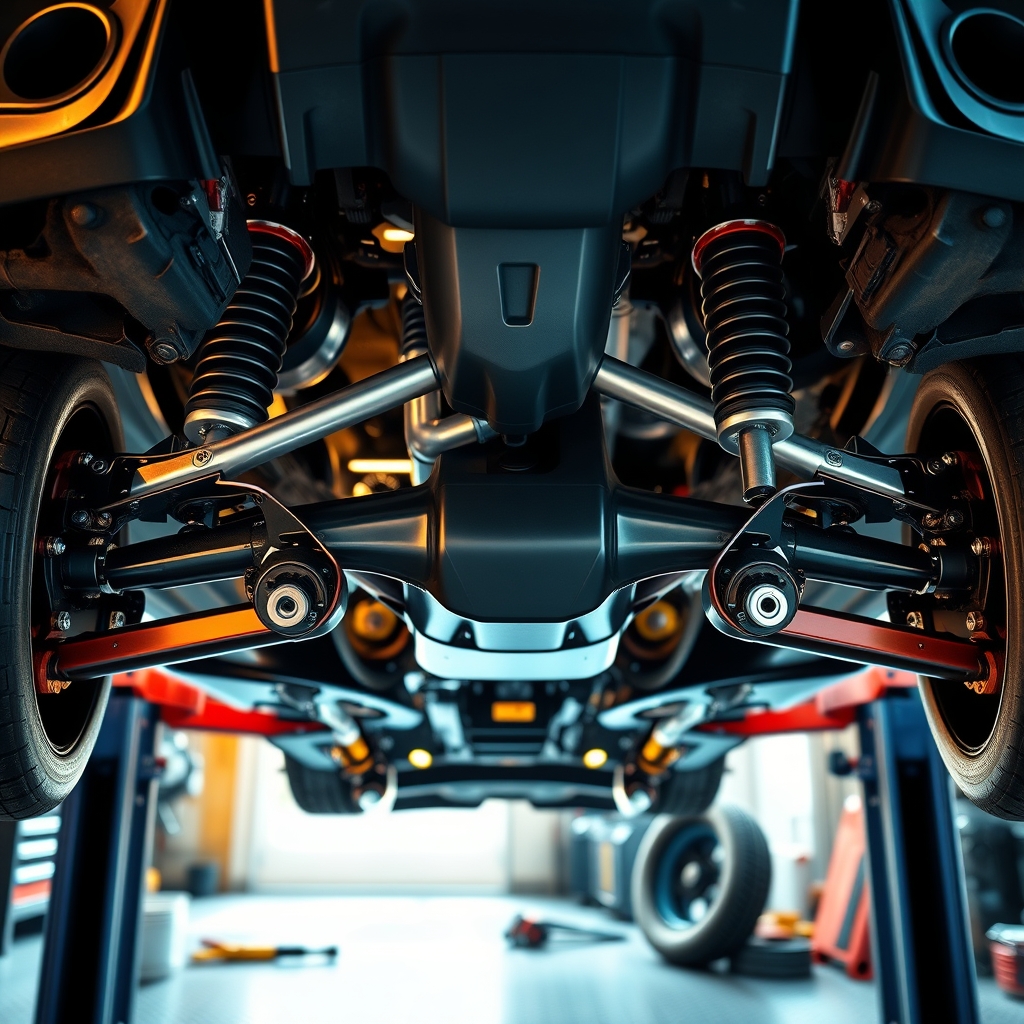
At their core, control arms—also known as A-arms or wishbones—are the connecting links between your vehicle’s chassis and its wheels. They allow the wheels to move up and down while keeping them aligned with the body of the car. This seemingly simple task is anything but, as control arms must withstand immense forces, including vertical loads, lateral stresses, and the constant vibrations of the road. The design and material of a control arm can significantly impact how well it performs these duties.
Most vehicles feature at least two control arms per wheel: an upper control arm and a lower control arm. In a double wishbone suspension system, these arms work in tandem to control the wheel’s motion, providing a balance between comfort and handling precision. The lower control arm typically bears the brunt of the load, supporting the vehicle’s weight and absorbing road imperfections, while the upper control arm helps maintain wheel alignment and camber angles. Together, they form a dynamic duo that dictates how your car responds to steering inputs, bumps, and cornering forces.
Materials Matter: From Steel to Aluminum and Beyond
Control arms come in a variety of materials, each offering distinct advantages. Traditional steel control arms are known for their durability and cost-effectiveness, making them a common choice for factory installations. However, they can be heavy, which may negatively impact fuel efficiency and handling agility. For those seeking performance gains, aluminum suspension arms are a popular alternative. Aluminum is lighter than steel, reducing unsprung weight and improving responsiveness, but it may not be as robust under extreme conditions, such as off-roading or heavy towing.
For the ultimate in strength and weight savings, tubular control arms and heavy-duty wishbones are often favored by performance enthusiasts and off-roaders. These arms are typically made from high-strength steel or chromoly, offering superior rigidity and durability without adding excessive weight. Some aftermarket manufacturers even offer custom suspension arms designed for specific applications, such as track racing or rock crawling, where standard arms might fail under duress.
Bushings: The Silent Heroes of Suspension Smoothness
While control arms themselves are crucial, their effectiveness is heavily influenced by the suspension arm bushings that connect them to the chassis and wheel hubs. Bushings act as cushions, absorbing vibrations and allowing the control arms to pivot smoothly. Over time, however, these bushings can wear out, leading to clunks, squeaks, and a noticeable decline in ride quality. Worn bushings can also cause misalignment, uneven tire wear, and poor handling, making them a critical component to inspect during routine maintenance.
Upgrading to high-performance bushings, such as those made from polyurethane or spherical bearings, can enhance your vehicle’s handling by reducing flex and improving responsiveness. Polyurethane bushings, for example, are stiffer than rubber, providing better feedback and control, but they may transmit more road noise and vibrations. Spherical bearings, on the other hand, offer the ultimate in precision and durability, often used in racing applications where every millisecond counts. However, they can be overkill for daily driving, as they eliminate the compliance that makes rubber bushings so comfortable.
Adjustable Control Arms: Fine-Tuning Your Suspension
For those who demand the utmost in performance, adjustable control arms offer a level of customization that factory arms simply can’t match. These arms allow you to tweak critical alignment settings, such as camber, caster, and toe, to suit your driving style or specific conditions. For example, a camber control arm can help you dial in the perfect tire contact patch for aggressive cornering, while rear trailing arms can be adjusted to optimize weight distribution during acceleration or braking.
Adjustable arms are particularly popular in the world of motorsports, where even minor tweaks can mean the difference between victory and defeat. They’re also invaluable for lifted or lowered vehicles, where factory geometry may no longer be optimal. By fine-tuning your suspension with adjustable arms, you can achieve better handling, improved tire wear, and a more engaging driving experience. However, it’s important to note that improper adjustments can lead to premature wear or even safety issues, so it’s best to consult a professional if you’re unsure.
Performance Control Arms: Elevating Your Driving Experience
If you’re looking to take your vehicle’s handling to the next level, upgrading to performance control arms is a smart investment. These arms are engineered to provide superior strength, reduced flex, and improved geometry compared to factory units. Whether you’re building a track car, a drift machine, or a high-performance street vehicle, performance control arms can help you achieve sharper turn-in, better stability at high speeds, and more predictable behavior under hard braking or acceleration.
One of the key benefits of performance control arms is their ability to maintain proper wheel alignment under extreme conditions. Factory arms are designed to meet a wide range of driving scenarios, but they often sacrifice precision for versatility. Performance arms, on the other hand, are built with tighter tolerances and stiffer materials, ensuring that your wheels stay where they’re supposed to be, even when you’re pushing the limits. This can be especially beneficial for vehicles with independent suspension arms, where maintaining optimal geometry is crucial for both performance and safety.
Front vs. Rear Control Arms: Tailoring Your Suspension Setup
While control arms serve similar purposes at the front and rear of a vehicle, their designs and functions can vary significantly. Front control arms, for example, are often paired with a steering knuckle and play a direct role in steering response. Upgrading to a front upper control arm or front lower control arm can improve turn-in sharpness and reduce understeer, making your car feel more agile and responsive. Some performance front arms also feature built-in camber adjustment, allowing you to fine-tune your alignment for better cornering grip.
At the rear, control arms—such as rear lower control arms or rear trailing arms—are primarily responsible for controlling wheel movement during acceleration, braking, and cornering. Upgrading these components can enhance traction, reduce wheel hop, and improve overall stability. For vehicles with independent rear suspension, such as many sports cars and luxury sedans, high-quality rear control arms are essential for maintaining precise handling and ride comfort. In solid-axle applications, like those found in trucks and some SUVs, heavy-duty wishbones or track control arms can help manage the additional stresses of towing or off-roading.
Every component in your suspension system plays a role in how your vehicle feels and performs, but few have as profound an impact as control arms. From the materials they’re made of to the bushings that connect them, every detail matters when it comes to achieving the perfect balance of comfort, handling, and durability. Whether you’re replacing worn-out factory arms or upgrading to performance-oriented units, investing in high-quality control arms is one of the most effective ways to enhance your driving experience. The road ahead is full of possibilities, and with the right suspension setup, you’ll be ready to tackle it with confidence and control.