The Unsung Architects of Your Ride: How Control Arms Shape Handling, Durability, and Driver Confidence
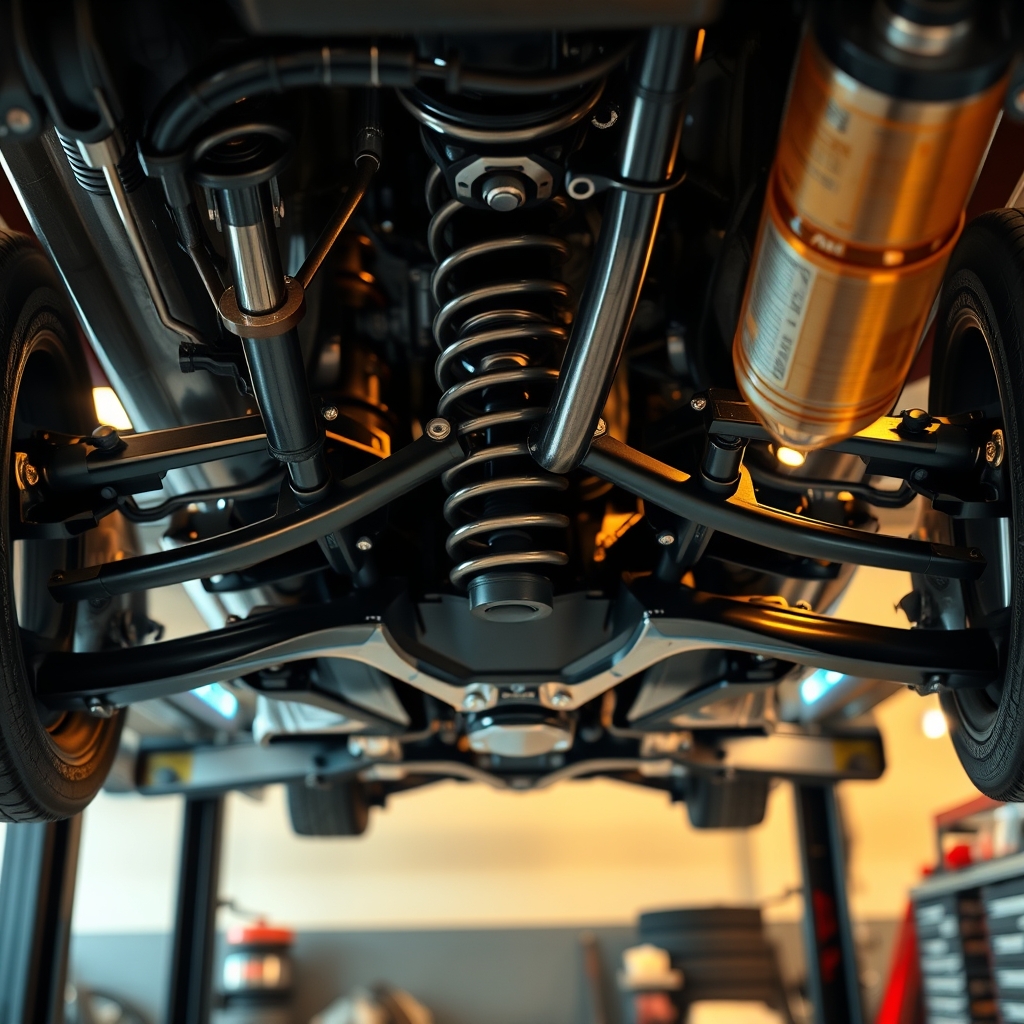
Every time you turn the steering wheel, brake, or accelerate, a silent network of components works in harmony to keep your vehicle stable, responsive, and safe. Among these, control arms stand as the unsung architects of your car’s suspension system, bridging the gap between the chassis and the wheels. While they may not grab headlines like engines or turbochargers, their role in defining handling precision, ride comfort, and even tire longevity is unparalleled. Whether you’re navigating city streets, tackling winding backroads, or pushing limits on a track, the type, material, and condition of your control arms can make the difference between a connected driving experience and a disconnected, unsettling one.
The Anatomy of Control: More Than Just a Metal Link
At their core, control arms—often referred to as A-arms, wishbones, or suspension arms—are structural components that connect the wheel hub to the vehicle’s frame. They come in various configurations, each designed to serve specific functions within the suspension geometry. The most common types include:
- Lower Control Arms: Typically found in both front and rear suspensions, these arms bear the brunt of road forces, managing vertical wheel movement while maintaining alignment.
- Upper Control Arms: Often paired with lower arms in double wishbone or multi-link setups, they fine-tune camber angles and enhance stability during cornering.
- Trailing Arms and Lateral Arms: Common in rear suspensions, these arms control longitudinal and lateral wheel movement, ensuring consistent toe and camber under acceleration and braking.
- Adjustable Control Arms: A favorite among performance enthusiasts, these allow for precise tuning of alignment settings like camber, caster, and toe, unlocking tailored handling characteristics.
Their design isn’t just about connecting points A to B. Control arms influence critical suspension parameters such as wheel articulation, anti-dive/squat geometry, and even steering feel. A well-engineered arm can reduce body roll, improve turn-in response, and mitigate unwanted weight transfer—factors that directly impact driver confidence and vehicle dynamics.
Materials Matter: From Stock to High-Performance
Not all control arms are created equal, and the material they’re crafted from plays a pivotal role in their performance and durability. Stock vehicles often come equipped with stamped steel arms, which offer a balance of cost, strength, and manufacturability. However, they can be heavy and prone to flex under extreme loads, compromising handling precision.
For those seeking to elevate their vehicle’s performance, aftermarket options abound:
- Tubular Control Arms: Constructed from high-strength steel or chromoly tubing, these arms are lighter and stiffer than their stamped counterparts, reducing unsprung weight and improving suspension response. They’re a staple in performance and off-road builds, where durability and precision are paramount.
- Aluminum Suspension Arms: Lightweight and corrosion-resistant, aluminum arms are ideal for reducing unsprung mass while maintaining strength. They’re particularly popular in motorsports and high-performance street applications, where every gram counts.
- Heavy-Duty Wishbones: Designed for trucks, SUVs, and off-road vehicles, these arms feature reinforced construction to handle increased loads, larger tires, and rough terrain without compromising alignment or safety.
- Carbon Fiber and Hybrid Arms: At the cutting edge of suspension technology, these arms offer an unparalleled strength-to-weight ratio, though their high cost limits them to professional racing and ultra-high-performance builds.
The choice of material isn’t just about performance—it’s also about longevity. Steel arms, for instance, may be more susceptible to rust in harsh climates, while aluminum arms can be more resistant to corrosion but may lack the same level of impact resistance in off-road conditions. The key is matching the material to your driving environment and goals.
The Role of Bushings: The Silent Enablers of Comfort and Control
Control arms don’t work in isolation. Their effectiveness is heavily influenced by the bushings that connect them to the chassis and wheel hubs. These small but critical components act as cushions, absorbing vibrations, reducing noise, and allowing controlled movement between metal parts. Over time, however, bushings can degrade, leading to sloppy handling, clunks, and even alignment issues.
Stock rubber bushings are designed for comfort and longevity, but they can flex under load, introducing unwanted compliance into the suspension. Performance-oriented builds often replace them with:
- Polyurethane Bushings: Offering a firmer feel than rubber, polyurethane bushings reduce deflection, sharpening throttle response and cornering precision. They’re a popular upgrade for enthusiasts looking to tighten up their vehicle’s handling without sacrificing too much ride comfort.
- Spherical Bearings (Rod Ends): Used in race and track applications, these provide zero compliance, delivering razor-sharp handling and immediate feedback. However, they transmit more road noise and vibration, making them less ideal for daily driving.
- Delrin or Nylon Bushings: A middle ground between rubber and polyurethane, these materials offer reduced deflection with less harshness than spherical bearings, making them a good choice for street-performance builds.
Upgrading bushings can transform a vehicle’s character, turning a soft, wallowy ride into a composed, connected experience. However, it’s essential to balance performance gains with comfort, especially if the vehicle sees daily use.
Beyond Stock: Custom and Performance Control Arms
For those who demand more from their vehicle, custom and performance control arms offer a world of possibilities. Unlike stock arms, which are designed to meet broad market needs, performance arms are engineered with specific goals in mind—whether it’s reducing weight, improving geometry, or accommodating larger wheels and tires.
One of the most significant advantages of performance control arms is their adjustability. Adjustable arms allow drivers to fine-tune alignment settings to suit their driving style or track conditions. For example:
- Camber Control Arms: Enable precise adjustment of camber angles, which is crucial for maximizing tire contact patch during cornering. This is especially valuable in track applications, where even minor camber adjustments can improve lap times.
- Track Control Arms: Designed for high-performance and racing applications, these arms often feature reinforced construction and optimized geometry to handle extreme lateral loads without flexing.
- Independent Suspension Arms: Found in multi-link setups, these arms allow for independent control of wheel movement, improving both comfort and handling by isolating forces more effectively.
Custom arms also open the door to unique suspension geometries. For instance, some aftermarket arms are designed to correct factory alignment issues, such as excessive positive camber or improper caster, which can improve straight-line stability and reduce tire wear. Others are engineered to accommodate lifted or lowered suspensions, ensuring that the vehicle’s handling remains balanced regardless of ride height.
The Impact on Tire Wear and Longevity
One of the most overlooked aspects of control arms is their influence on tire wear. Misaligned or worn arms can cause uneven tire contact with the road, leading to premature wear on the inner or outer edges of the tires. This not only reduces tire lifespan but also compromises grip and safety.
Performance control arms, particularly those with adjustable features, allow for precise alignment settings that maximize tire life. For example, setting the correct camber angle ensures that the tire’s contact patch remains optimal during cornering, while proper toe settings prevent excessive scrubbing. In high-performance applications, this attention to detail can mean the difference between a tire lasting 10,000 miles or 30,000 miles.
Moreover, control arms play a role in maintaining consistent tire temperatures. In racing, for instance, improper suspension geometry can cause tires to overheat on one side, leading to uneven wear and reduced performance. By fine-tuning control arm angles and bushings, teams can ensure that tires wear evenly, providing consistent grip throughout a race.
When to Upgrade: Signs Your Control Arms Need Attention
While control arms are built to last, they’re not immune to wear and tear. Over time, factors like rough roads, aggressive driving, and exposure to the elements can take their toll. Here are some signs that your control arms—or their associated components—may need attention:
- Clunking or Knocking Noises: Often a sign of worn bushings or ball joints, these noises typically occur when driving over bumps or during sharp turns.
- Vague or Wandering Steering: If your vehicle feels loose or unresponsive, it could indicate excessive play in the control arms or bushings.
- Uneven Tire Wear: As mentioned earlier, misaligned control arms can cause tires to wear unevenly, often visible as feathering or cupping on the tread.
- Excessive Vibration: Worn or damaged control arms can transmit vibrations through the steering wheel or chassis, particularly at higher speeds.
- Visible Damage: Bent, cracked, or corroded control arms should be replaced immediately, as they compromise the structural integrity of the suspension.
If you notice any of these symptoms, it’s worth having your suspension inspected by a professional. In many cases, upgrading to performance control arms can not only address these issues but also enhance your vehicle’s overall dynamics.
Driving is more than just moving from point A to point B—it’s about the connection between the driver, the machine, and the road. Control arms are the linchpins of that connection, translating your inputs into precise, predictable responses. Whether you’re upgrading for performance, durability, or comfort, choosing the right control arms can transform your vehicle from a mere mode of transportation into a finely tuned extension of your driving intent. The road ahead is full of possibilities, and with the right suspension setup, every turn becomes an opportunity to experience the art of driving at its finest.