The Art of Alignment: How Control Arms Dictate Your Vehicle’s Precision and Performance
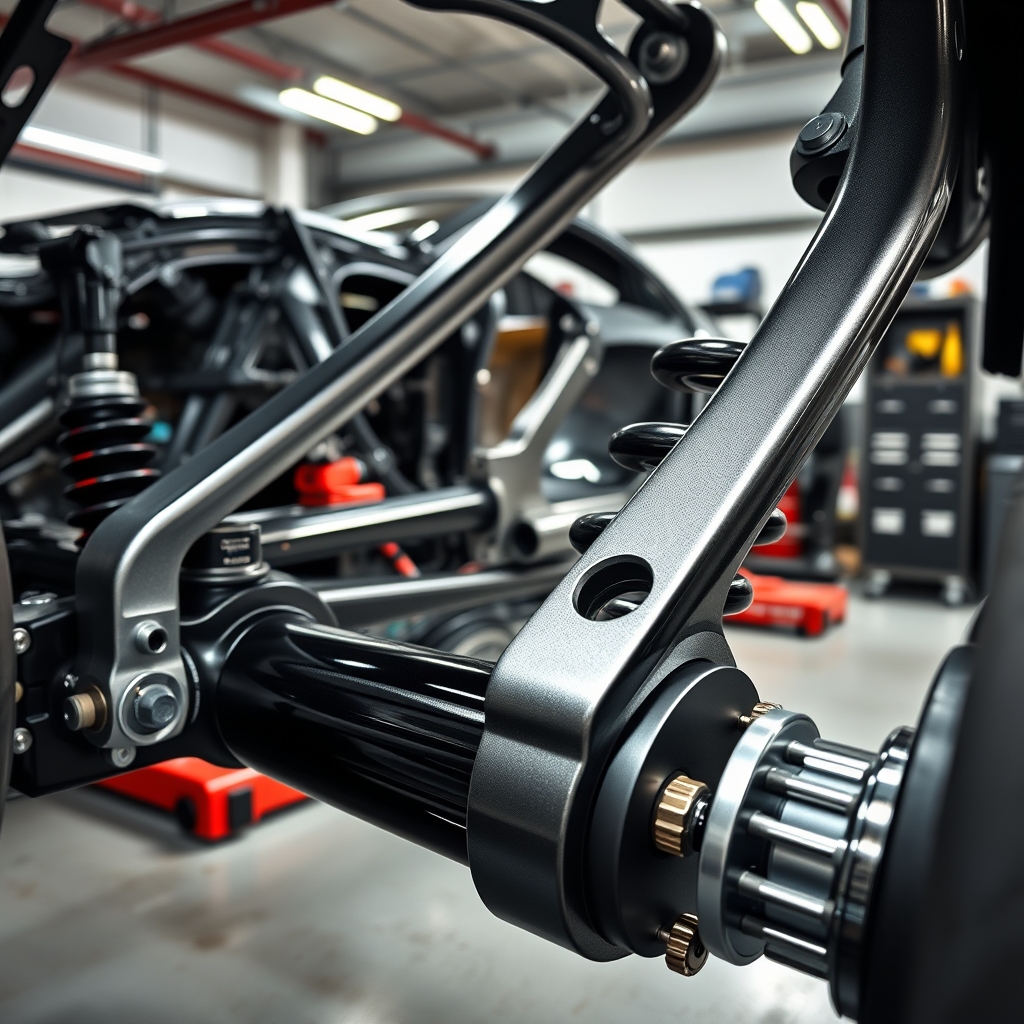
Few components in a vehicle’s suspension system are as pivotal—or as often overlooked—as the control arm. These unassuming yet critical links between the chassis and the wheel hub do far more than simply hold the wheel in place. They govern alignment, absorb road imperfections, and translate driver inputs into seamless, controlled motion. Whether you’re navigating tight corners on a winding road or simply cruising down the highway, the quality, design, and condition of your control arms play a defining role in how your vehicle behaves. Yet, despite their importance, they remain one of the most misunderstood elements of automotive engineering.
The Anatomy of Control: More Than Just a Metal Link
At its core, a control arm is a structural component that connects the wheel hub to the vehicle’s frame or subframe. Its primary function is to allow the wheel to move vertically while maintaining proper alignment with the road. However, not all control arms are created equal. The design, material, and geometry vary significantly depending on the vehicle’s intended use, whether it’s a daily driver, a high-performance sports car, or a rugged off-road machine.
Most modern vehicles employ a double wishbone or MacPherson strut suspension system, each utilizing different configurations of control arms. In a double wishbone setup, an upper control arm and a lower control arm work in tandem to control wheel movement, allowing for greater adjustability in camber, caster, and toe settings. This design is favored in performance and luxury vehicles for its ability to optimize handling and ride quality. On the other hand, MacPherson struts simplify the system by eliminating the upper control arm, relying instead on a single lower arm and a strut to manage wheel motion. While this design is cost-effective and space-efficient, it often sacrifices some degree of handling precision.
Materials Matter: From Steel to Aluminum and Beyond
The choice of material in control arm construction is a balancing act between strength, weight, and cost. Traditional stamped steel control arms are durable and affordable, making them a staple in mass-produced vehicles. However, their weight can negatively impact fuel efficiency and handling agility. In contrast, tubular control arms and aluminum suspension arms are favored in performance applications for their lighter weight and superior rigidity. Aluminum, in particular, offers excellent corrosion resistance and a high strength-to-weight ratio, making it ideal for high-performance and custom builds. Meanwhile, heavy-duty wishbones made from reinforced steel or even carbon fiber are engineered to withstand extreme loads, making them a popular choice for off-road and towing applications.
The Role of Bushings: The Unsung Heroes of Smooth Operation
While the control arm itself is a rigid structure, its connection points rely on suspension arm bushings to absorb vibrations, reduce noise, and allow for controlled articulation. These bushings, typically made from rubber or polyurethane, act as cushions between the control arm and the vehicle’s frame. Over time, however, they degrade due to heat, friction, and environmental factors, leading to sloppy handling, clunks, and misalignment. Upgrading to polyurethane bushings can significantly improve responsiveness and longevity, particularly in performance-oriented builds where precision is paramount. For those seeking even greater durability, spherical bearings or monoball bushings eliminate compliance entirely, offering razor-sharp handling at the cost of increased road noise and harshness.
Adjustability: Fine-Tuning for Perfection
One of the most significant advancements in modern suspension design is the introduction of adjustable control arms. These components allow drivers and tuners to fine-tune wheel alignment parameters such as camber, caster, and toe, enabling precise optimization for different driving conditions. Camber control arms, for example, allow for adjustments that can improve tire contact during cornering, reducing wear and enhancing grip. Similarly, rear trailing arms and lateral control arms in independent rear suspensions can be adjusted to correct alignment issues or accommodate aftermarket modifications like wider wheels or lowered ride heights. For enthusiasts pushing their vehicles to the limit, these adjustments can mean the difference between a well-behaved machine and one that dances on the edge of control.
Performance and Customization: Tailoring Control Arms to Your Needs
For those who demand more from their vehicles, aftermarket performance control arms offer a pathway to enhanced dynamics. Brands specializing in suspension upgrades often engineer control arms with reinforced designs, superior materials, and optimized geometries to improve handling characteristics. Tubular control arms, for instance, reduce unsprung weight while increasing rigidity, resulting in quicker steering response and better road feedback. Meanwhile, custom suspension arms can be designed to accommodate unique setups, such as air suspension systems, lifted trucks, or track-focused builds where factory components simply won’t suffice.
Off-road enthusiasts, too, benefit from specialized control arms. Heavy-duty wishbones and rear lower control arms with extended travel allow for greater articulation, ensuring that wheels maintain contact with uneven terrain. Some aftermarket arms even feature adjustable heim joints or uniball ends, which provide unparalleled strength and adjustability for extreme conditions. Whether you’re tackling rocky trails or navigating sand dunes, the right control arms can transform your vehicle’s capability.
The Impact of Wear and When to Replace
Like all suspension components, control arms are subject to wear and tear. Over time, bushings degrade, ball joints loosen, and the arms themselves can bend or crack under stress. Symptoms of failing control arms include clunking noises over bumps, uneven tire wear, wandering steering, and poor handling. Ignoring these signs can lead to catastrophic failure, particularly at high speeds or under heavy loads. Regular inspections are crucial, especially for vehicles subjected to harsh driving conditions or performance use. When replacement is necessary, opting for high-quality OEM or aftermarket parts can restore your vehicle’s handling to like-new—or even better—condition.
Every turn of the wheel, every bump in the road, and every adjustment in alignment is a testament to the silent work of control arms. They are the invisible architects of your vehicle’s behavior, shaping how it responds to your commands and the challenges of the road. Whether you’re a daily commuter, a weekend warrior, or a professional racer, understanding and investing in the right control arms can elevate your driving experience from ordinary to extraordinary. The difference isn’t just in the ride—it’s in the confidence, the precision, and the connection you feel with the machine beneath you.