Mastering Vehicle Dynamics: The Essential Guide to Control Arms and Suspension Upgrades
When it comes to optimizing your vehicle’s handling, comfort, and performance, few components play as critical a role as the control arms. These unsung heroes of the suspension system connect the wheel hub to the vehicle’s frame, allowing for smooth movement while maintaining precise wheel alignment. Whether you’re a daily driver, an off-road enthusiast, or a performance seeker, understanding the different types of control arms—and how to upgrade them—can transform your driving experience.
The Foundation: What Are Control Arms?
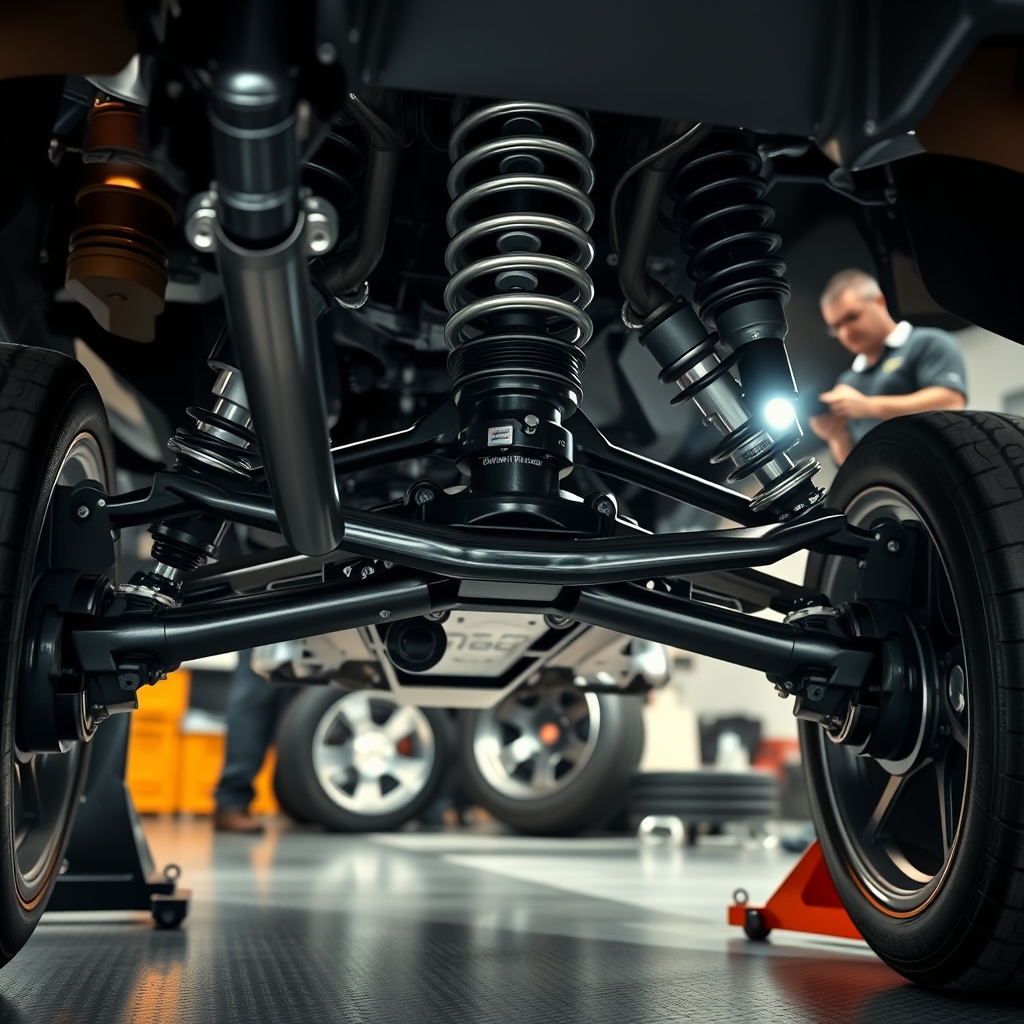
Control arms, often referred to as A-arms or wishbones due to their shape, are pivotal in managing the vertical movement of your wheels. They work in tandem with other suspension components like bushings, ball joints, and struts to ensure that your tires maintain optimal contact with the road. The two primary types are the lower control arm and the upper control arm, though some vehicles may feature variations like rear trailing arms or lateral control arms depending on the suspension design.
In a double wishbone suspension system, for example, both upper and lower control arms work together to control wheel motion, providing superior handling and stability. Meanwhile, in a MacPherson strut setup, the lower control arm is often paired with a strut to manage wheel alignment and absorb road imperfections. The material and construction of these arms—whether tubular control arms, aluminum suspension arms, or heavy-duty wishbones—can significantly impact durability, weight, and performance.
Signs Your Control Arms Need Attention
Like any mechanical component, control arms and their associated parts—such as suspension arm bushings and ball joints—wear out over time. Ignoring the warning signs can lead to poor handling, uneven tire wear, and even safety hazards. Here are some red flags to watch for:
- Clunking or rattling noises, especially when driving over bumps or during sharp turns, often indicate worn bushings or ball joints.
- Excessive vibration in the steering wheel or chassis can signal a failing control arm or misaligned wheels.
- Uneven tire wear, such as cupping or feathering, suggests that the control arms are no longer maintaining proper wheel alignment.
- Steering wander or a loose feeling in the wheel may point to worn or damaged control arm components.
- Visible damage, such as bent or cracked arms, is an obvious sign that replacement is necessary.
If you notice any of these symptoms, it’s crucial to inspect your control arms and related components. In some cases, replacing just the suspension arm bushing or ball joint may suffice, but severe wear or damage often calls for a full control arm assembly replacement.
Upgrading for Performance and Durability
For those looking to enhance their vehicle’s performance, upgrading to aftermarket control arms can make a world of difference. Performance-oriented drivers often opt for adjustable control arms, which allow for fine-tuning of camber, caster, and toe angles. These adjustments are particularly valuable for track enthusiasts or those running staggered wheel setups, as they enable precise alignment settings to maximize grip and cornering stability.
Off-road enthusiasts, on the other hand, may prioritize durability and articulation. Heavy-duty wishbones or tubular control arms are popular choices for lifted trucks and SUVs, as they provide increased strength and flexibility to handle rough terrain. Meanwhile, aluminum suspension arms offer a lightweight alternative for those looking to reduce unsprung weight without sacrificing strength, making them ideal for both street and track applications.
Another popular upgrade is the track control arm, designed to minimize flex and improve responsiveness during aggressive driving. These arms are often paired with polyurethane bushings, which offer a firmer feel compared to the stock rubber bushings, reducing deflection and improving feedback to the driver. For those seeking the ultimate in adjustability, camber control arms allow for on-the-fly alignment changes, making them a favorite among drift and autocross competitors.
Choosing the Right Control Arms for Your Vehicle
Selecting the right control arms depends on your vehicle’s make, model, and intended use. Here are some key considerations:
- Material: Steel control arms are durable and cost-effective, while aluminum arms reduce weight and improve performance. Tubular steel arms offer a balance of strength and weight savings.
- Adjustability: If you need to fine-tune your suspension geometry, look for adjustable control arms that allow for camber, caster, or toe adjustments.
- Bushing Type: Polyurethane bushings provide better performance and durability than rubber, but they may transmit more road noise and vibration. Some drivers opt for a hybrid approach, using polyurethane in the rear and rubber in the front for a balance of comfort and performance.
- Suspension Type: Vehicles with independent suspension, such as those featuring double wishbone arms, may benefit from performance-oriented upgrades, while solid axle setups might require heavy-duty wishbones for durability.
It’s also worth noting that some aftermarket control arms are designed specifically for certain applications. For example, rear lower control arms or front upper control arms may be tailored for lifted trucks, lowered sports cars, or even classic muscle cars. Always ensure that the parts you choose are compatible with your vehicle’s suspension design and intended use.
Installation and Maintenance Tips
While replacing control arms can be a DIY-friendly job for those with mechanical experience, it’s not without its challenges. Proper installation requires the right tools, including a torque wrench, ball joint separator, and alignment equipment. If you’re not comfortable performing the work yourself, it’s best to leave it to a professional mechanic to ensure everything is installed correctly and safely.
Once installed, regular maintenance is key to prolonging the life of your control arms. Inspect bushings and ball joints periodically for signs of wear, and check for any unusual noises or handling issues. Lubricating greaseable bushings can also help extend their lifespan and maintain smooth operation. If you’ve upgraded to polyurethane bushings, be prepared for a slightly firmer ride, but enjoy the benefits of improved handling and longevity.
Whether you’re replacing worn-out components or upgrading for better performance, investing in high-quality control arms can dramatically improve your vehicle’s dynamics. From the daily commute to the racetrack, the right suspension setup ensures that your car handles with precision, comfort, and confidence. The road ahead is smoother, the turns are sharper, and every drive becomes an opportunity to experience the full potential of your machine—one perfectly aligned wheel at a time.